
Introduction to Autologous Conditioned Plasma
- Autologous Conditioned Plasma (ACP) is a blood product used in veterinary medicine and orthopedic surgery to promote healing and reduce pain. ACP belongs to a broader category of blood products used in regenerative medicine.
- ACP, also known as platelet rich plasma (PRP), contains high concentrations of platelets, growth factors, and proteins that enhance natural healing.
- The plasma portion contains red and white blood cells, platelets, and proteins essential for healing and tissue regeneration.
- Doctors use ACP to treat muscle, tendon, ligament injuries, chronic and acute conditions, orthopedic injuries, and damaged tissue. It promotes soft tissue healing, improves pain relief, reduces infection risk, and enhances wound healing with minimal risks.
- PRP injections treat orthopedic conditions such as acute muscle strains, osteoarthritis, and other soft tissue injuries.
- For over 20 years, PRP has been used successfully in medical treatments, especially in cosmetic and ENT surgeries, demonstrating its versatility and effectiveness.
- Moreover, PRP has gained significant attention in sports medicine due to its benefits for athlete recovery, especially in people with high physical activity.
- Additionally, PRP improves healing outcomes in dental and oral surgery procedures, highlighting its broad medical applications.

ACP Process and Mechanism
The ACP process starts by drawing a small volume of the patient’s whole blood. Then, a centrifuge rapidly spins it to separate plasma from red blood cells. This concentrates platelets and growth factors in plasma while removing red blood cells. Doctors inject the resulting autologous conditioned plasma, rich in concentrated platelets, into injured tissues to enhance healing.
The entire ACP treatment process takes under an hour. It uses a double syringe system to deliver concentrated platelets and growth factors directly to the injury site.
ACP delivers high doses of autologous conditioned plasma containing growth factors and cytokines to improve signaling, promote healing, and reduce pain at the injury site.
The ACP process stimulates platelet activation. This releases beneficial growth factors and cytokines that enhance wound healing and tissue regeneration. Consequently, it improves signaling at the injury site and recruits cells needed for tissue repair.
Most patients require one to three ACP injections to achieve desired results, depending on condition severity.
Minimally invasive procedures usually inject a small volume of concentrated growth factors and platelets directly into the injury area.
Many patients tolerate these minimally invasive injections well and feel little to no discomfort.
After treatment, patients may experience soreness, which signals that the healing process has begun.
Efficacious Treatment for Joint Pain
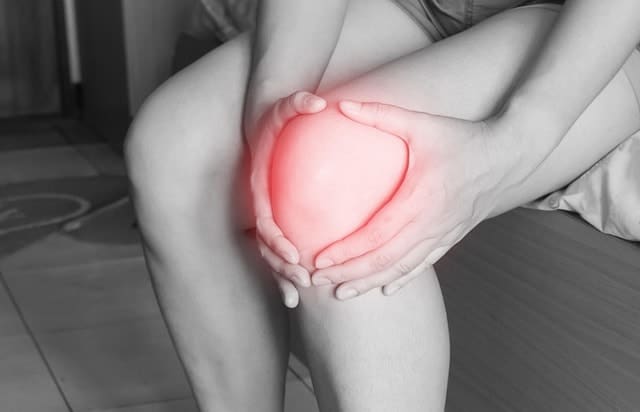
- Intra-articular Autologous Conditioned Plasma (ACP) injections safely and effectively treat knee osteoarthritis. Clinical studies demonstrate ACP and platelet rich plasma injections improve joint pain and function, supporting their use in osteoarthritis management.
- ACP reduces pain and improves function in knee osteoarthritis patients, with results lasting up to 12 months. Platelet rich plasma injections offer a key non-surgical option for joint conditions.
- ACP is a promising joint pain treatment with low adverse event risk and high efficacy, making it a viable alternative to other therapies. At the patient’s point of care, ACP offers immediate accessibility and convenience, enhancing treatment experience.
- ACP treatment can combine with other therapies, such as hyaluronic acid injections, to boost efficacy and provide long-term pain relief.
- ACP treatments rarely cause adverse effects since they use the patient’s own tissue, making them a safe choice. Additionally, ACP and PRP help prevent excessive blood loss during procedures, improving safety.
- A meta-analysis shows PRP injections improve pain and function in osteoarthritis.
- PRP injections reduce postoperative pain after meniscus repair surgery.
- Musculoskeletal injuries, including injured muscles, heal slowly due to poor blood supply to tendons and ligaments. This makes ACP and PRP especially valuable.

Comparison with Other Treatments
- Placebo controlled and FDA sanctioned clinical trials show ACP reduces pain and improves function better than placebo in knee osteoarthritis patients.
- ACP carries a lower risk of adverse events than other treatments, such as cortisone injections. It suits patients who cannot undergo surgery.
- ACP is a minimally invasive outpatient procedure, making it a convenient option.
- Studies by Kim C and Fava P show ACP outperforms physical therapy in reducing pain and improving function in knee osteoarthritis patients.
- ACP/PRP treatment efficacy varies with session number and patient-specific factors, highlighting the need for personalized plans.
- Evidence about PRP’s overall effectiveness is mixed; some studies show substantial improvements, others little benefit.
- No good evidence supports PRP for elbow tendon healing.
- Most trials report low adverse effects from PRP treatments.
Clinical Trials and Validation
- Randomized controlled clinical trials validate ACP’s efficacy and safety for knee osteoarthritis.
- These trials show ACP is safe and effective, providing significant pain relief and functional improvement with low adverse event risk.
- Reputable journals like Sci Rep and regulatory agencies such as the FDA recognize these clinical trials.
- The trials prove ACP is a viable alternative for knee osteoarthritis and can combine with other treatments to enhance efficacy.
- PRP is not FDA regulated because it derives from the patient’s own blood, allowing widespread medical use.
- At trial end, patients receiving PRP for osteoarthritis improved WOMAC scores by 78%, compared to 7% in the placebo group.
- A 2022 meta-analysis shows improved patient-rated outcomes after PRP treatment for partial rotator cuff tears.
- Patients can resume normal activities immediately after minimally invasive injections.
Treatment Procedure
The PRP injection procedure is simple and minimally invasive. A healthcare professional draws a small blood sample from the patient’s arm. Then, they place the sample in a sterile tube and centrifuge it rapidly. This separates blood cells and isolates plasma rich in platelets and growth factors from red and white blood cells.
After preparation, the healthcare provider carefully injects the platelet rich plasma into the target area, such as a knee joint with osteoarthritis, a damaged tendon, or a musculoskeletal injury. PRP therapy aims to deliver concentrated platelets and growth factors to stimulate natural healing and tissue regeneration. The entire ACP treatment process, from blood draw to injection, takes less than an hour, making it convenient and efficient.
PRP injections are safe and effective for treating knee osteoarthritis, rotator cuff disease, and other musculoskeletal injuries. By using the patient’s own blood, PRP offers a personalized approach to pain relief and recovery.

Safety and Regulation
Safety and regulation are vital for PRP treatments. Since PRP uses the patient’s blood, allergic reactions are rare. Nevertheless, risks include infection, excessive blood loss, and injection site pain. Qualified professionals must perform injections in sterile environments to minimize risks.
Randomized controlled clinical trials, many FDA sanctioned, rigorously evaluate PRP’s safety and efficacy. These studies consistently show PRP injections safely and effectively treat knee osteoarthritis and musculoskeletal injuries, improving pain and function. Combining PRP with hyaluronic acid further enhances wound healing and reduces pain, offering a more effective approach.
Although adverse events are rare, patients should discuss risks and benefits with healthcare providers to ensure the best treatment plan. Ongoing research continues to refine PRP therapy, maintaining its reliability and effectiveness.
Innovative Non-Traditional Joint Pain Solutions Exclusively at LifeWell MD

Acupuncture
Acupuncture inserts thin needles into specific body points to stimulate healing and relieve pain. It treats musculoskeletal conditions and improves joint function. Many patients find acupuncture helpful alongside conventional therapies.
Exosome Therapy
Exosome therapy uses small extracellular vesicles from cells to promote tissue repair and reduce inflammation. These vesicles carry growth factors and signaling molecules that enhance cellular healing. This innovative treatment gains attention for regenerative medicine and joint health.
Stem Cell Injections
Stem cell injections introduce stem cells into damaged tissues to stimulate regeneration and repair. These cells differentiate into various tissue types, aiding muscle, tendon, and joint recovery. Stem cell therapy shows promise for chronic injuries and degenerative conditions.
Peptide Therapies
Peptide therapies use short amino acid chains as signaling molecules to regulate biological functions and promote healing. They enhance tissue repair, reduce inflammation, and improve joint health. Often combined with other regenerative treatments, they optimize recovery.
Infrared Light Therapy
Infrared light therapy uses specific wavelengths to penetrate tissues, stimulating cellular activity and improving circulation. This non-invasive treatment reduces pain, decreases inflammation, and accelerates healing. It often supports rehabilitation for musculoskeletal injuries.
Ozone Injections
This procedure delivers oxygen and ozone therapy gas mixtures to affected areas, promoting healing and reducing inflammation. Ozone therapy has antimicrobial properties and improves tissue oxygen delivery, aiding recovery. It complements treatments for joint and soft tissue conditions.
FAQ:
Is PRP Good for Joint Pain?
PRP therapy effectively treats joint pain, especially knee osteoarthritis. Specifically, it delivers concentrated growth factors to injury sites, thereby promoting tissue regeneration and reducing inflammation. Consequently, many patients report significant pain relief and improved joint function after PRP injections.
What Is the Disadvantage of PRP?
However, PRP’s effectiveness varies by patient condition and treatment protocol. The disadvantages include the need for multiple injections and inconsistent results due to biological differences. Additionally, PRP may not be covered by insurance, leading to out-of-pocket costs.
Can You Have PRP if on Blood Thinners?
Therefore, patients on blood thinners should consult healthcare providers before undergoing PRP therapy. These medications affect blood clotting and plasma preparation, so adjustments may be necessary to ensure safe PRP injections.
Is PRP Safe for Diabetic Patients?
Generally, PRP is safe for diabetics since it uses the patient’s own blood, minimizing allergic or infection risks. Nonetheless, diabetes affects healing, so outcomes can vary. Thus, diabetic patients should discuss treatment options thoroughly with their providers.
Is PRP Better Than Cortisone for Arthritis?
In comparison, PRP shows promising results over cortisone, offering longer-lasting pain relief and improved joint function. Unlike cortisone, which mainly reduces inflammation, PRP promotes tissue healing and regeneration. Consequently, many studies suggest PRP is safer with fewer side effects.
How Much Does a PRP Joint Injection Cost?
PRP joint injection costs vary by clinic, location, and number of treatments, typically ranging from several hundred to over a thousand dollars per session. Since PRP is often elective, it may lack insurance coverage. Therefore, patients should consult both providers and insurers about costs.
How Long Does It Take for PRP to Work on Joints?
Patients usually notice improvements in joint pain and function within weeks after PRP injections. However, full benefits develop over several months as growth factors repair tissues. Moreover, multiple sessions may be necessary depending on the severity of the condition.
Is PRP Worth the Money?
Overall, PRP can be worthwhile for those seeking minimally invasive treatments that promote natural healing and reduce pain. Many patients report significant improvements in pain and mobility, thereby enhancing quality of life. Nevertheless, results vary, so patients should carefully consider cost, treatment frequency, and personal health before deciding.
Conclusion
In summary, platelet rich plasma (PRP) injections offer a safe and effective treatment for knee osteoarthritis, rotator cuff disease, and various musculoskeletal injuries. The process involves a blood draw, centrifugation to concentrate platelets, and injection into affected areas to stimulate healing. Consequently, PRP therapy provides significant pain relief and functional improvement, making it a valuable treatment option.
Safety is well supported by double-blind, placebo controlled clinical trials and reputable journals like Sci Rep. Although the risk of adverse events is low, treatments must be administered by trained professionals in sterile settings. As research advances, PRP’s efficacy and applications are expected to expand, offering hope for patients seeking pain relief and healing.
Ultimately, PRP treatments improve patient outcomes, reduce pain, and support natural healing across various clinical scenarios.
Final Words:
If you are struggling with persistent joint pain or recovering from musculoskeletal injuries, expert care can make all the difference. Our specialized autologous conditioned plasma (ACP) therapy, also known as platelet rich plasma (PRP) treatment, offers a safe and efficacious solution to promote healing, reduce pain, and improve joint function without surgery.
By consulting with our experienced team, you will receive:
- A thorough assessment of your joint condition and pain factors
- Personalized, evidence-based PRP treatment plans tailored to your specific needs
- Expert guidance on managing acute and chronic musculoskeletal injuries using cutting-edge regenerative medicine
- Supportive care designed to enhance your healing process and restore mobility
Join the many patients who have experienced significant, lasting relief through our proven ACP/PRP therapies. Don’t let joint pain limit your life—call us today at 561-210-9999 to schedule your consultation and take the first step toward lasting recovery.
Act now—because when it comes to your joint health, early treatment leads to better outcomes. Secure your appointment today and join a community of patients who have reclaimed their pain-free lives through trusted, science-backed regenerative care.
Please check out his 120 five star reviews on Healthgrades and his 136 five star reviews at WebMD.
