
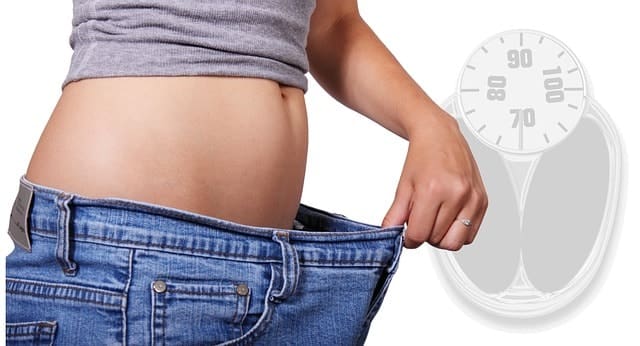

The journey through menopause is often accompanied by a myriad of changes, both physical and emotional. Among the most common concerns for women navigating this transition is weight gain, particularly abdominal weight gain.
As estrogen levels fluctuate and eventually decline, many women find themselves struggling to maintain their previous weight, leading them to explore various options, including hormone replacement therapy (HRT).
What are you looking for?
We understand that seeking information is a step towards taking action, and we’re here to support you on this journey. If you or a loved one is struggling with challenges that traditional medicine hasn’t fully addressed, you’re not alone. Our approach is centered on simplicity and achieving meaningful results, tailored to your unique needs and goals.
At LifeWell MD, we believe in a compassionate, no-nonsense approach to wellness and peak performance. If you’re feeling stuck or overwhelmed, reach out to us at 561-210-9999. We’re here to provide the guidance and support you need, offering actionable information that aligns with your aspirations. Together, we can navigate these complex medical issues and find a path to a healthier, more fulfilling life.
But does estrogen HRT actually lead to weight loss? The answer, as with many aspects of hormonal health, is complex and multifaceted. This comprehensive article delves into the intricate relationship between estrogen, HRT, and weight, exploring the potential benefits, risks, and considerations for women seeking to manage their weight during and after menopause.
Why Regular Diet, Exercise, and GLP-1 Medications May Not Work for You:
Achieving lasting weight management can be challenging if hormonal imbalances are present. Optimizing hormone levels is crucial, as it sets the stage for diet, exercise, and medications like GLP-1 to be more effective. Without balanced hormones, these strategies may not deliver sustained results.
Table of Contents
- Introduction
- Understanding Estrogen’s Role in Weight Management
- HRT: Restoring Hormonal Balance
- The Potential Impact of Estrogen HRT on Weight
- Metabolic Rate
- Fat Distribution
- Appetite Regulation
- Muscle Mass
- Insulin Sensitivity
- Types of HRT and Their Potential Effects on Weight
- Estrogen-Only HRT
- Estrogen-Progesterone HRT
- Combination HRT
- Benefits of Hormone Replacement Therapy Aids
- Lifestyle Factors: The Key to Weight Management
- Healthy Diet
- Regular Exercise
- Stress Management
- Adequate Sleep
- Potential Risks and Side Effects of HRT
- Increased Risk of Blood Clots
- Increased Risk of Stroke
- Increased Risk of Breast Cancer
- Increased Risk of Endometrial Cancer
- Side Effects
- Who is a Good Candidate for HRT?
- Alternatives to HRT for Weight Management
- Monitoring Progress and Adjusting Treatment Plans
- Conclusion: A Holistic Approach to Weight Management During Menopause
- Final Words
Understanding Estrogen’s Role in Weight Management
Estrogen, a primary female sex hormone, plays a crucial role in numerous bodily functions, including metabolism, fat distribution, and appetite regulation. Before menopause, estrogen helps maintain a healthy metabolic rate, ensuring the body efficiently burns calories for energy.
Decreased estrogen during menopause affects the body’s ability to burn fat, impacting weight loss outcomes and muscle function.
It also influences where fat is stored, typically favoring the hips and thighs in women of reproductive age. Furthermore, estrogen interacts with neurotransmitters in the brain that regulate appetite and satiety, helping to control food intake.
Women’s appetite regulation and satiety also depend on hormonal changes during the menstrual cycle, which can further highlight the intricate role of hormones in managing weight.
When estrogen levels decline during perimenopause and menopause, these functions can be disrupted. The metabolic rate may slow down, making it easier to gain weight. Fat distribution can shift towards the abdominal area, increasing the risk of metabolic syndrome and cardiovascular disease. Estrogen also influences calorie intake, and its decline during menopause can lead to increased cravings and overeating.
The metabolic rate may slow down, making it easier to gain weight as the body burns fewer calories at rest. Fat distribution can shift towards the abdominal area, increasing the risk of metabolic syndrome and cardiovascular disease.
Changes in appetite regulation can lead to increased cravings and overeating, further contributing to weight gain. Additionally, hormonal changes during menopause can contribute to insulin resistance, making it harder for the body to process carbohydrates and use glucose for energy. The body may store fat in the abdominal region during menopause due to increased insulin resistance caused by these hormonal changes.
Fluctuating hormone levels during perimenopause and menopause can lead to weight gain and various symptoms, making it challenging to maintain a healthy lifestyle.
HRT: Restoring Hormonal Balance

Hormone replacement therapy (HRT) aims to alleviate the symptoms of menopause by replenishing the declining levels of estrogen and, in some cases, progesterone. HRT can be administered in various forms, including pills, patches, creams, and vaginal rings. The specific type and dosage of HRT are tailored to each woman’s individual needs and medical history.
By restoring estrogen levels, HRT can potentially counteract some of the metabolic and appetite-related changes associated with menopause. However, it’s important to note that HRT is not a weight loss drug.
While it may indirectly influence weight management, its primary purpose is to alleviate menopausal symptoms such as hot flashes, night sweats, and vaginal dryness. Women often report changes in appetite during menopause, influenced by hormonal fluctuations and increased cravings, which can complicate weight management efforts.
The Potential Impact of Estrogen HRT on Weight
The impact of estrogen HRT on weight is a subject of ongoing research and debate. Some studies suggest that HRT may help prevent further weight gain during menopause, while others show no significant effect or even a slight increase in weight.
Many women gain fat during menopause as estrogen levels decrease, often concentrating in the abdominal area and posing various health risks.
The conflicting findings may be due to variations in study design, HRT type and dosage, and individual patient characteristics. Women often gained weight during menopause due to hormonal imbalances that affect metabolism and fat distribution, making it a complex issue to address.
Gaining weight during menopause is a common challenge, influenced by metabolic changes, decreased muscle mass, and the effects of hormone replacement therapy (HRT).
Increased fat storage due to hormonal changes, particularly during menopause and andropause, can lead to higher fat accumulation around the abdominal area, presenting risks for various metabolic disorders.
Here’s a closer look at the potential ways estrogen HRT can influence weight:
Metabolic Rate:
Estrogen can help maintain a healthy metabolic rate, ensuring the body efficiently burns calories for energy. By replenishing estrogen levels, HRT may help prevent the decline in metabolic rate that often occurs during menopause. Estradiol, a form of estrogen, also influences metabolic processes by modulating energy expenditure and thermogenesis, which can further support weight management. Additionally, maintaining lean body mass can support a healthy metabolic rate.
Fat Distribution:
Estrogen influences where fat is stored in the body. As estrogen levels decline, fat tends to accumulate in the abdominal area, increasing the risk of metabolic syndrome. HRT may help shift fat distribution away from the abdomen and towards the hips and thighs. Additionally, HRT has been shown to help reduce visceral fat, which is associated with various health risks. Hormonal changes during menopause can significantly affect body shape, leading to weight gain and changes in fat distribution.
Appetite Regulation:
Estrogen interacts with neurotransmitters in the brain that regulate appetite and satiety. HRT may help restore normal appetite regulation, reducing cravings and overeating. Low estrogen levels during menopause lead to increased hunger and food intake, further complicating weight management efforts. Additionally, HRT can help regulate calorie intake, making it easier to manage appetite and cravings.
Muscle Mass:
Estrogen plays a role in maintaining muscle mass. As estrogen levels decline, muscle mass can decrease, leading to a slower metabolic rate. HRT may help preserve muscle mass, which can contribute to weight management.
Insulin Sensitivity:
Improvements in insulin sensitivity associated with HRT can assist in weight management by helping the body process glucose more effectively. Insulin resistance is associated with conditions such as type 2 diabetes and cardiovascular diseases, especially in postmenopausal women. Hormonal changes during menopause can make the body insulin resistant, complicating weight management and increasing the risk of type two diabetes.
It’s important to emphasize that the effects of HRT on weight can vary significantly from woman to woman. Some women may experience a slight weight loss or stabilization, while others may see no change or even a slight gain. Individual factors such as genetics, lifestyle, and overall health can all play a role.
Elevated levels of estrogen have been shown to correlate with increased sensitivity to peripheral satiety signals, which may help some women better regulate their appetite and food intake. Additionally, reducing central fat accumulation can improve metabolic syndrome, which is often experienced during menopause.
Sleep disturbances, which are common during menopause, frequently improve with HRT, and this can be important for healthy weight management.
Types of HRT and Their Potential Effects on Weight
The type of HRT used can also influence its potential effects on weight. HRT is available in various forms, including:
- Estrogen-only therapy
- Combined estrogen and progesterone therapy
- Localized estrogen therapy
Testosterone replacement therapy (TRT) can also be beneficial for weight management, particularly for individuals experiencing hormonal imbalances that affect fat storage and muscle growth. Tailoring hormone therapy to individual needs is crucial for effective management of weight and overall health.
Estrogen-Only HRT:
This type of HRT contains only estrogen and is typically prescribed for women who have had a hysterectomy (removal of the uterus).
Estrogen-Progesterone HRT:
This type of HRT contains both estrogen and progesterone and is prescribed for women who still have their uterus. Progesterone is added to protect the uterine lining from the potential effects of estrogen.
Combination HRT:
This type of HRT combines estrogen and progestin (a synthetic form of progesterone) in a single pill or patch.
It’s worth noting that water retention and bloating can be side effects experienced by some women taking HRT, which may influence their perception of weight changes.
Some studies suggest that estrogen-only HRT may be more likely to have a positive impact on weight management compared to estrogen-progesterone HRT. Progesterone can sometimes counteract the beneficial effects of estrogen on metabolism and appetite regulation. However, more research is needed to confirm these findings.
The route of administration can also play a role. Transdermal HRT (patches or gels) may have a different impact on weight compared to oral HRT (pills). Transdermal HRT bypasses the liver, which may result in a more stable and consistent hormone level.

Benefits of Hormone Replacement Therapy Aids
Hormone replacement therapy (HRT) aids offer a multitude of benefits for women navigating the challenges of menopause. One of the primary advantages is the alleviation of common menopause symptoms, such as weight gain and hot flashes. By stabilizing hormone levels, HRT can help mitigate these symptoms, making the transition through menopause more manageable.
Beyond symptom relief, HRT can significantly improve overall health. It has been shown to reduce the risk of associated ailments like metabolic syndrome and cardiovascular disease. These conditions are often exacerbated by hormonal fluctuations during menopause, and HRT can help counteract these effects by maintaining more consistent hormone levels.
HRT also plays a crucial role in weight management. By aiding in weight loss and improving body composition, HRT can help reduce belly fat and abdominal fat, which are common concerns for menopausal women. This improvement in body composition not only enhances physical appearance but also contributes to better health outcomes.
Another critical benefit of HRT is its ability to improve insulin sensitivity. This can reduce the risk of insulin resistance and metabolic disorders, which are more prevalent during menopause due to hormonal changes. Improved insulin sensitivity helps the body process glucose more effectively, reducing fat storage and promoting a healthier weight.
Additionally, HRT can positively impact mood swings and sleep disturbances, which are common during menopause. Better mood regulation and improved sleep quality can lead to healthier weight management and overall well-being. By addressing these multifaceted aspects of health, HRT provides a comprehensive approach to managing the challenges of menopause.
Lifestyle Factors: The Key to Weight Management
While HRT may play a role in weight management during menopause, it’s essential to remember that lifestyle factors are the foundation of any successful weight loss or maintenance plan. A healthy diet, regular exercise, and stress management are crucial for maintaining a healthy weight and overall well-being.
Here are some key lifestyle factors to consider:
Healthy Diet
Incorporating healthy fats into your diet is important. Healthy fats, such as those from olive oil, nuts, and avocados, can provide satiety and support hormone production, making them particularly beneficial for managing weight and energy levels, especially during menopause.
Regular Exercise
Exercise can help lose belly fat, especially when combined with a balanced diet and healthy lifestyle. Regular physical activity is essential for managing hormonal changes and reducing fat storage in the abdominal area.
Healthy Diet:
Focus on a diet rich in fruits, vegetables, whole grains, and lean protein. Eating a balanced diet rich in these foods can stabilize blood sugar, which prevents energy dips and reduces cravings for high-sugar snacks. Limit processed foods, sugary drinks, and unhealthy fats.
Regular Exercise:
Aim for at least 150 minutes of moderate-intensity aerobic exercise or 75 minutes of vigorous-intensity aerobic exercise per week. Include strength training exercises to build and maintain muscle mass. Engaging in strength training can preserve muscle mass and promote a higher resting metabolism, helping to burn more calories even at rest.
Stress Management:
Practice stress-reducing techniques such as yoga, meditation, or deep breathing exercises. Chronic stress can lead to increased cortisol levels, which can contribute to weight gain. Managing cortisol through stress reduction and, in some cases, HRT can support weight control and overall well-being.
Adequate Sleep:
Aim for 7-8 hours of quality sleep per night. Sleep deprivation can disrupt hormone levels and increase appetite.
By adopting a healthy lifestyle, women can maximize the potential benefits of HRT on weight management and improve their overall health and well-being.
Potential Risks and Side Effects of HRT
While HRT can offer numerous benefits, it’s essential to be aware of the potential risks and side effects. The risks associated with HRT vary depending on the type of HRT, dosage, duration of use, and individual patient characteristics. HRT may also help manage blood pressure, which is crucial for reducing the risk of cardiovascular disease and other health issues during menopause.
Some of the potential risks and side effects of HRT include:
Increased Risk of Blood Clots:
HRT can increase the risk of blood clots in the legs or lungs, especially in women who are already at risk for blood clots.
Increased Risk of Stroke:
HRT may slightly increase the risk of stroke, particularly in older women or those with other risk factors for stroke.
Increased Risk of Breast Cancer:
Some studies have linked long-term HRT use to a slightly increased risk of breast cancer. However, the risk is relatively small and may depend on the type of HRT used. Balancing out testosterone levels will help mitigate this risk.
Increased Risk of Endometrial Cancer:
Estrogen-only HRT can increase the risk of endometrial cancer in women who still have their uterus. This risk can be reduced by taking progesterone along with estrogen. Balancing out progesterone and testosterone levels will help mitigate this risk. Careful monitoring of labs is crucial for safe delivery of HRT
Side Effects:
Common side effects of HRT include breast tenderness, headaches, nausea, and vaginal bleeding. These side effects are usually mild and temporary.
It’s crucial to discuss the potential risks and benefits of HRT with your doctor before starting treatment. Your doctor can help you determine if HRT is right for you and recommend the most appropriate type and dosage.
Who is a Good Candidate for HRT?
HRT is not right for every woman. The decision to use HRT should be made on an individual basis, taking into account the woman’s symptoms, medical history, and risk factors. Women with a history of gestational diabetes should be particularly cautious, as this condition can indicate an increased risk of metabolic and hormonal imbalances.
HRT may be a good option for women who:
- Are experiencing moderate to severe menopausal symptoms that are significantly impacting their quality of life.
- Are at low risk for blood clots, stroke, and breast cancer.
- Understand the potential risks and benefits of HRT.
HRT may not be a good option for women who:
- Have a history of blood clots, stroke, or breast cancer.
- Are at high risk for these conditions.
- Are pregnant or breastfeeding.
It’s essential to have an open and honest conversation with your doctor about your symptoms, medical history, and concerns before making a decision about HRT.
Alternatives to HRT for Weight Management
For women who are not candidates for HRT or who prefer to explore other options, there are several alternative approaches to weight management during menopause.
Some of the alternatives to HRT include:
- Lifestyle Modifications: As mentioned earlier, a healthy diet, regular exercise, and stress management are crucial for weight management, regardless of whether you’re using HRT. Staying hydrated can also play a surprising role in weight management as water is essential for digestion, metabolism, and appetite control. Implementing mindful eating techniques, such as eating without distractions, can help with recognizing fullness.
- Non-Hormonal Medications: Some non-hormonal medications can help alleviate menopausal symptoms such as hot flashes and night sweats. These medications may also have a positive impact on weight management. Additionally, thyroid hormone replacement therapy, such as thyroxine, can be beneficial for women with underactive thyroid conditions, helping to rebalance hormones and potentially aid in weight loss.
- Herbal Remedies: Some herbal remedies, such as black cohosh and soy isoflavones, are often used to relieve menopausal symptoms. However, the effectiveness and safety of these remedies are not well-established.
- Acupuncture: Acupuncture may help alleviate menopausal symptoms and promote weight loss.
- Cognitive Behavioral Therapy (CBT): CBT can help women manage the emotional and psychological challenges of menopause, which can indirectly impact weight management.
It’s important to discuss these alternative options with your doctor to determine the best approach for your individual needs.
Monitoring Progress and Adjusting Treatment Plans
Monitoring progress is a vital component of successful hormone replacement therapy (HRT). Regular check-ups with a hormone specialist are essential to ensure the treatment is effective and to make any necessary adjustments.
These check-ups allow for the tracking of changes in body weight, body mass index, and body fat distribution, providing a clear picture of how the body is responding to HRT.
Adjusting treatment plans is often necessary to achieve the best outcomes. This may involve changing the dosage or type of HRT based on the individual’s response to treatment. Incorporating lifestyle changes, such as a balanced diet and regular exercise, can also enhance the effectiveness of HRT.
A balanced diet rich in fruits, vegetables, whole grains, and lean proteins supports overall health and weight management, while regular exercise helps maintain muscle mass and metabolic rate.
It’s also crucial to monitor for any potential side effects, such as weight gain or insulin resistance. If these issues arise, the treatment plan can be adjusted to mitigate their impact. This might include modifying the HRT regimen or implementing additional lifestyle changes to support weight management and overall health.
By working closely with a healthcare provider, women can achieve a healthier weight and improve their overall health. Regular monitoring and adjustments ensure that the treatment remains effective and that any issues are addressed promptly.
This proactive approach helps reduce the risk of menopausal weight gain and associated ailments, providing a comprehensive strategy for managing the challenges of menopause.
Conclusion: A Holistic Approach to Weight Management During Menopause
The relationship between estrogen HRT and weight loss is complex and multifaceted. While HRT may play a role in weight management during menopause by influencing metabolism, fat distribution, and appetite regulation, it’s not a weight loss drug.
Menopausal hormone therapy can also contribute to weight management and overall well-being when combined with a healthy lifestyle, including exercise and dietary changes.
The effects of HRT on weight can vary significantly from woman to woman, and lifestyle factors are the foundation of any successful weight loss or maintenance plan. However, if menopausal symptoms are under control with HRT, it is often easier for women to manage their weight effectively.
A holistic approach to weight management during menopause involves a combination of healthy lifestyle habits, such as a balanced diet, regular exercise, and stress management, along with careful consideration of HRT and other alternative options.
It’s essential to have an open and honest conversation with your doctor about your symptoms, medical history, and concerns to determine the best approach for your individual needs.
By taking a proactive and informed approach to weight management, women can navigate the challenges of menopause with confidence and maintain a healthy weight and overall well-being.
Final Words:
Still have questions? Want to learn if our holistic therapies are right for you? If you are located in Palm beach county or in Saint Lucie county we can do an office visit. For those unable to do so, we can achieve results through a Telemedicine call. Contact my office today at 561-210-9999 and I’m happy to discuss:
- Your health history and concerns
- Potential causes/factors contributing to your condition
- Complementary modalities and lifestyle measures to incorporate into your care plan
- Our patient-focused process and what to expect at your first visit
I look forward to speaking with you soon!
Dr. Kumar.
Please check out his 120 five star reviews on Healthgrades and his 136 five star reviews at WebMD.
