
Introduction: Redefining What It Means to Live Longer
When most people think about longevity, they imagine adding more years to their life. But what if those extra years bring chronic disease, declining mobility, and cognitive decline? This is where the concept of healthspan becomes crucial—the period of life spent in good health, free from chronic diseases and disabilities of aging.
The truth is that simply extending lifespan without improving quality is not the goal. Modern longevity medicine focuses on compressing morbidity—minimizing frailty and maximizing vibrant, functional years.
The Role of Supplements in Longevity
When used correctly, supplements support this mission by enhancing cellular resilience, reducing inflammation, and aiding the body’s repair mechanisms. Even with healthy lifestyles, nutritional gaps persist due to food nutrient depletion and dietary challenges. Supplements help fill these gaps to support overall health. Learn more about biological age.
Prevalence and Use of Dietary Supplements
Many adults and children in the United States take dietary supplements to fill nutritional gaps. U.S. consumers spend about $60 billion annually on nutritional supplements, showing their widespread use and perceived importance. However, scientists have found no significant benefits from multivitamins in population studies, suggesting targeted supplementation works better than generalized use.
Supplements as Adjuncts, Not Replacements
Here’s the golden rule: supplements are adjuncts, never replacements, for foundational health practices. Dietary supplements supplement, not replace, essential habits. No pill can compensate for poor diet, sedentary lifestyle, sleep deprivation, or unmanaged stress.
Purpose of This Guide
This guide provides actionable, evidence-based strategies for incorporating supplements into a comprehensive healthspan plan—without exaggerated claims or pseudoscience.
Ready to develop a personalized longevity plan? Contact Dr. Kumar at LifeWellMD.com for a comprehensive evaluation and evidence-based healthspan optimization.
Foundation First: The Non-Negotiable Pillars of Longevity
Why Lifestyle Medicine Comes Before Supplements
Before investing in supplements, establish foundational pillars that drive about 80% of health outcomes. These lifestyle factors, validated by thousands of studies, offer the most powerful interventions for longevity and disease prevention. They are especially important for healthy people who want to maintain wellness and prevent future health issues.
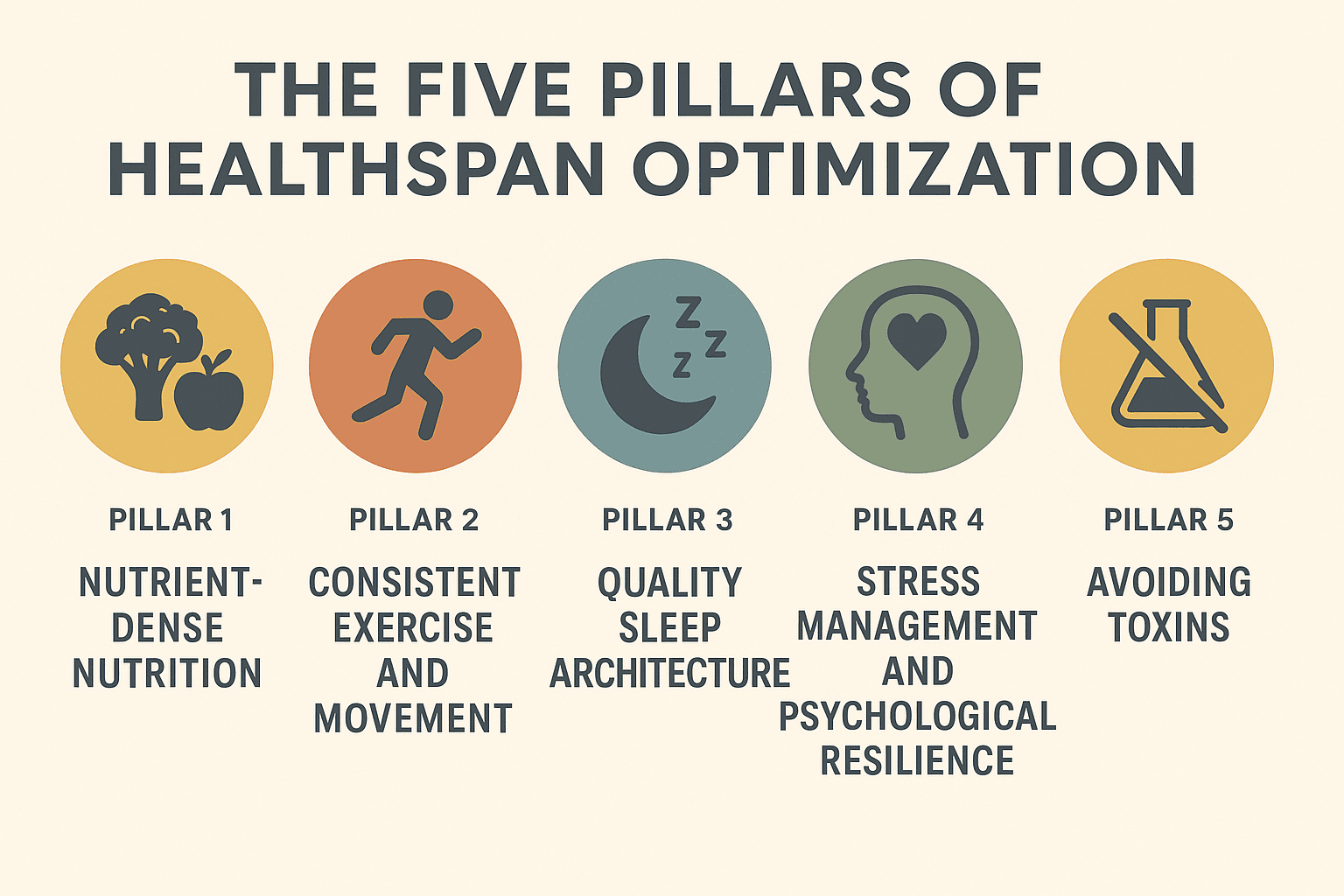
The Five Pillars of Healthspan Optimization

Pillar 1: Nutrient-Dense Nutrition
A diet rich in whole foods, vegetables, fruits, lean proteins, and healthy fats, including whole grains and leafy greens, provides micronutrients, fiber, and phytochemicals that supplements cannot fully replicate. Focus on Mediterranean or plant-forward diets associated with reduced mortality and improved metabolic health. A balanced diet can often ease or eliminate the need for dietary supplements.
Plant-based foods and animal products both provide essential nutrients. People on plant-based diets may need fortified foods or supplements for nutrients like vitamin B-12 and iron, mainly found in animal products. Older adults may develop vitamin B12 deficiency due to decreased intrinsic factor, making supplementation vital. Vitamin B12 supports red blood cell formation and nervous system function, emphasizing its importance for vegetarians. Vitamin D deficiency also contributes to depression and insulin resistance leading to type 2 diabetes, so maintaining adequate vitamin D is crucial.
Dark leafy greens and fortified tofu offer calcium, vitamin C, vitamin K, and other nutrients, valuable for those avoiding dairy or animal products. Getting enough calcium from leafy greens, fortified foods, and tofu supports bone health and prevents deficiencies. Calcium supplements benefit postmenopausal women at increased osteoporosis risk. Vitamin D is essential for calcium absorption and maintaining healthy bones, making it critical alongside calcium intake.
Pillar 2: Consistent Exercise and Movement
Cardiovascular exercise and resistance training maintain muscle mass, bone density, cardiovascular function, and metabolic flexibility. Aim for 150 minutes of moderate aerobic activity weekly plus strength training twice a week. HIIT and zone 2 cardio offer unique mitochondrial health benefits.
Pillar 3: Quality Sleep Architecture
Seven to nine hours of quality sleep enables cellular repair, cognitive consolidation, and metabolic regulation. Poor sleep accelerates aging, increases inflammation, and raises chronic disease risk including cardiovascular disease, diabetes, and neurodegenerative conditions.
Pillar 4: Stress Management and Psychological Resilience
Chronic psychological stress shortens telomeres, increases systemic inflammation, and disrupts hormones. Mindfulness, meditation, deep breathing, and other stress-reduction techniques are essential for long-term health.
Pillar 5: Avoiding Toxins
Eliminate smoking, limit alcohol to moderate levels, and reduce environmental toxin exposure. No supplement can counteract neglecting these steps.
Only after solid foundations should you use supplements to fine-tune and optimize biological pathways.
The Evidence-Based Healthspan Toolkit: Supplements That Target Aging Biology
Hallmarks of aging—mitochondrial dysfunction, cellular senescence, genomic instability, chronic inflammation—offer a framework to understand how supplements support healthspan. This guide explores promising compounds backed by strong evidence. Many popular supplements lack robust evidence for effectiveness or safety.
Targeting Cellular Metabolism and Mitochondrial Resilience
Resveratrol: The SIRT1 Activator
Mechanism of Action: Resveratrol, a polyphenol in red grape skins and Japanese knotweed, activates sirtuins—especially SIRT1—and AMPK pathways. These enhance mitochondrial biogenesis, cellular stress resistance, and autophagy (cellular cleaning).
The Evidence: Preclinical studies show life-extension effects in yeast, worms, and mice. Human data is limited but suggests benefits for cardiovascular health, insulin sensitivity, and cognitive function, especially in metabolic dysfunction.
Practical Application: Due to poor bioavailability, standard resveratrol may not reach therapeutic blood levels. Use enhanced formulations like micronized or liposomal resveratrol at 150 to 1000 mg daily. Look for trans-resveratrol on labels.
Clinical Consideration: Resveratrol may interact with blood thinners. Consult your healthcare provider if on anticoagulants.
Berberine: The Metabolic Optimizer
Mechanism of Action: Berberine, from plants like goldenseal and barberry, rivals pharmaceuticals for metabolic health. It activates AMPK (“metabolic master switch”) and modulates mTOR signaling, improving glucose metabolism, insulin sensitivity, and lipid profiles.
The Evidence: Meta-analyses show berberine reduces fasting glucose, HbA1c, and LDL cholesterol, comparable to metformin. It also supports gut microbiome health and reduces systemic inflammation.
Practical Application: Take 900 to 1500 mg daily in two or three doses with meals to reduce gastrointestinal side effects and improve absorption.
Clinical Consideration: Berberine interacts with medications metabolized by cytochrome P450 enzymes. Seek professional guidance if on multiple drugs.
Nicotinamide Precursors: NMN and Nicotinamide Riboside (NR)
Mechanism of Action: NAD+ (nicotinamide adenine dinucleotide) is a critical coenzyme involved in hundreds of metabolic reactions, particularly those related to energy production, DNA repair, and sirtuin activation. NAD+ levels decline significantly with age, and supplementation with precursors like NMN (nicotinamide mononucleotide) or NR (nicotinamide riboside) aims to restore youthful NAD+ levels.
The Evidence: While animal studies have shown remarkable benefits including improved mitochondrial function, enhanced physical performance, and better metabolic health, human studies are still emerging. Early human trials suggest improvements in insulin sensitivity, muscle function, and cardiovascular parameters, though long-term safety data is still being accumulated.
Practical Application: NMN is typically dosed at 250-500 mg daily, while NR is commonly taken at 300-600 mg daily. Some practitioners recommend sublingual administration for better absorption, though this remains debated.
Clinical Consideration: These are relatively new supplements in human use, and long-term safety profiles are still being established. Work with a knowledgeable healthcare provider to determine if these are appropriate for your individual situation.
Anti-Inflammatory and Senolytic Support: Clearing Aging Cells
Curcumin: The Golden Anti-Inflammatory
Mechanism of Action: Curcumin, the primary bioactive compound in turmeric, acts as a powerful natural anti-inflammatory agent. It modulates inflammatory pathways including NF-κB, supports autophagy activation, and influences AMPK/mTOR signaling, promoting cellular health and longevity.
The Evidence: Thousands of studies highlight curcumin’s anti-inflammatory, antioxidant, and potential anti-cancer effects. Clinical trials show benefits for osteoarthritis, metabolic syndrome, cognitive health, and cardiovascular protection.
Practical Application: Curcumin’s poor bioavailability limits its effects. Choose enhanced formulations with piperine, nanoparticle, or liposomal delivery. Effective doses range from 500 to 2000 mg daily.
Clinical Consideration: High-dose curcumin may thin blood and interact with medications. Inform your healthcare provider about your supplement use.
Quercetin and Dasatinib: The Senolytic Combination
Mechanism of Action: Senescent “zombie” cells accumulate with age, causing inflammation and tissue dysfunction. Senolytics selectively clear these cells. Quercetin, a flavonoid in onions and apples, shows senolytic activity, especially combined with dasatinib.
The Evidence: Preclinical studies demonstrate quercetin plus dasatinib clears senescent cells and improves healthspan in aged mice. Early human studies suggest benefits for pulmonary fibrosis and osteoarthritis, but larger trials are needed.
Practical Application: The senolytic protocol uses intermittent dosing of quercetin (1000-1200 mg) with dasatinib. This experimental approach requires medical supervision.
Clinical Consideration: Human safety data is limited. Always seek professional medical guidance.
Omega-3 Fatty Acids: Essential for Brain and Heart
Mechanism of Action: EPA and DHA are long-chain omega-3 fatty acids incorporated into cell membranes. They produce mediators that resolve inflammation, support cardiovascular function, and protect the brain. Vitamin C acts as an antioxidant supporting cellular health.
The Evidence: Decades of research support omega-3 benefits for cardiovascular and cognitive health, especially in low fish consumers. Higher EPA and DHA levels link to reduced cardiovascular events, better cognition, and lower mortality. Omega-3s promote heart health by reducing cardiovascular disease risk factors.
Practical Application: Aim for 1000-2000 mg combined EPA+DHA daily from quality fish oil or algae supplements. Eat oily fish regularly or use supplements if you don’t. Consult a healthcare provider for personalized advice. Choose products tested for contaminants. Triglyceride forms absorb better than ethyl esters.
Clinical Consideration: Omega-3s may thin blood mildly. Discuss use with your doctor if on anticoagulants or before surgery.
Foundational Supplements: Addressing Common Deficiencies
Vitamin D: The Longevity Hormone
Mechanism of Action: Vitamin D acts like a hormone, with receptors in nearly all tissues. It supports immune function, bone and cardiovascular health, reduces cancer risk, and improves longevity.
The Evidence: Vitamin D deficiency is common, especially in northern latitudes and darker-skinned individuals. Optimal levels (30-60 ng/mL) associate with better bone density, immune function, and lower mortality. It enhances immune health by reducing inflammation and protecting against chronic diseases.
Most adults require 2000-5000 IU daily to reach optimal levels. Needs vary by baseline, weight, and sun exposure. Supplementation is vital for older adults, those with limited sun, and darker skin. Test blood levels (25-hydroxyvitamin D) and adjust doses accordingly.
Clinical Consideration: Vitamin D toxicity is rare but possible with excess. Work with your provider to find the right dose.
Magnesium: The Forgotten Mineral
Mechanism of Action: Magnesium participates in over 300 enzymatic reactions, including energy production, DNA repair, muscle and nerve function, and blood pressure regulation. It supports mitochondria and regulates inflammation.
The Evidence: Magnesium deficiency is common due to soil depletion and processed foods. Higher intake lowers cardiovascular disease and diabetes risk and improves sleep. Magnesium glycinate supports blood sugar control and metabolic health. Many U.S. residents lack adequate magnesium, especially those over 70.
Magnesium glycinate and threonate absorb well with minimal side effects. Doses range from 200-400 mg daily. Magnesium threonate may boost cognitive function. High doses can cause laxative effects, so supplement cautiously.
Creatine: Not Just for Athletes
Mechanism of Action: Creatine regenerates ATP, the cellular energy currency. While popular in sports, it benefits cognitive function, mood, and age-related muscle loss.
The Evidence: Creatine monohydrate, extensively studied, improves muscle strength, power, and mass. It helps both athletes and older adults maintain muscle. Evidence also supports cognitive benefits during sleep deprivation or stress.
Practical Application: Take 5 grams daily of creatine monohydrate consistently. No loading phase is needed. Timing relative to meals is less important than daily use.
Coenzyme Q10: Mitochondrial Support
Mechanism of Action: CoQ10 is vital in mitochondrial electron transport for energy production and acts as an antioxidant.
The Evidence: Levels decline with age and statin use. Supplementation benefits cardiovascular health, especially in heart failure, and may improve exercise capacity and reduce oxidative stress.
Practical Application: Use ubiquinol (reduced CoQ10) for better absorption. Typical doses are 100-300 mg daily with fat-containing meals.
Supplement Smarter: Quality, Absorption, and Responsible Dosing
Prioritize Quality and Third-Party Testing
The supplement industry lacks strong regulation, causing variable product quality. Choose supplements third-party tested by NSF, USP, or ConsumerLab. These verify label accuracy and absence of contaminants. The Dietary Supplement Health and Education Act limits FDA regulation, so consumers must stay vigilant.
Maximize Bioavailability
Many compounds have poor absorption or rapid metabolism, reducing effectiveness. Enhance bioavailability by:
- Using liposomal, nanoparticle, or phytosome formulations
- Combining curcumin with piperine or taking fat-soluble supplements with healthy fats
- Timing supplements properly—some absorb better with or without food
Practice Responsible Dosing
More is not always better. Stick to clinically tested doses and avoid megadosing without guidance. Hormesis suggests moderate doses can benefit, but excess harms. Track outcomes via blood work, body composition, functional tests, cognition, and well-being to assess benefits.
Want professional help optimizing supplements? Schedule a consultation with Dr. Kumar at LifeWellMD.com for a personalized, evidence-based plan.
Setting Realistic Expectations: What Supplements Can and Cannot Do
Understanding the Current Evidence Landscape
Longevity supplementation shows promise in preclinical studies but human translation is challenging. Many human trials are small, short, or disease-specific, limiting generalization. Large, long-term randomized trials are rare and costly. This limits certainty about supplement effectiveness.
The Importance of Professional Guidance
Consult knowledgeable healthcare providers before adding multiple supplements, especially if you have chronic conditions or take prescription drugs. Providers like doctors, pharmacists, and dietitians can guide safe, appropriate use. Consider:
- Drug-nutrient interactions that may enhance or interfere with medications
- Polypharmacy risks from multiple supplements
- Individual variation from genetics, health, and lifestyle
- Regular monitoring with blood tests and health assessments
Avoid the “Shotgun” Approach
Avoid taking many supplements hoping one works. Instead:
- Address documented deficiencies (vitamin D, magnesium, omega-3s)
- Add 2-4 targeted supplements based on your goals and risks
- Allow 3-6 months to assess effects
- Change systematically to identify benefits or side effects

Conclusion: The Holistic Path to Vibrant Longevity
Optimizing healthspan requires a comprehensive, evidence-based approach. Prioritize lifestyle medicine foundations and use high-quality supplements as adjuncts. Supplements support health when diet is insufficient or specific needs arise. Always get nutrients from a balanced diet first.
Supplements like resveratrol, berberine, omega-3s, and vitamin D support aging biology pathways. Their effectiveness depends on context. Poor lifestyle habits limit benefits, while solid foundations enhance healthspan with targeted supplements.
Longevity medicine is evolving. Stay informed and work with healthcare providers to keep your approach safe and current.
Remember: The goal is to live better, not just longer—maintaining vitality, cognition, and resilience. Achieve this with evidence-based, personalized care.
Frequently Asked Questions
Do longevity supplements actually work, or is it just marketing hype?
- Some supplements have strong clinical evidence (omega-3s, vitamin D, berberine), while others are overhyped with minimal human data
- They don’t dramatically extend maximum lifespan but can support healthspan by optimizing cellular function and reducing inflammation
- Effectiveness depends on choosing evidence-based compounds and maintaining foundational lifestyle habits
- Work best as part of a comprehensive strategy, not standalone solutions
What is the single best supplement for anti-aging and healthy longevity?
- No single “best” supplement exists—individual needs vary based on genetics, diet, and health status
- Vitamin D and omega-3 fatty acids rank highest due to widespread deficiency and decades of research
- Both impact multiple aging pathways: inflammation, cardiovascular health, brain function, and immunity
- Personalized testing determines what YOUR body actually needs rather than following generic recommendations
Are NAD+ supplements (NMN and NR) worth the money, or should I wait for more research?
- Animal studies show impressive results; human studies are emerging but still limited
- Can increase NAD+ levels and may improve insulin sensitivity, muscle function, and energy metabolism
- Long-term safety data in humans is still being established
- Best suited for individuals 40+ with metabolic concerns who can afford the higher cost under medical supervision
- Vitamin D, omega-3s, and magnesium provide better ROI for most people on limited budgets
How long does it take to see results from longevity supplements?
- 1-2 weeks: Creatine (performance), magnesium (sleep quality)
- 1-3 months: Vitamin D (energy/mood), berberine (blood sugar), curcumin (inflammation)
- 3-6 months: Omega-3s (cardiovascular/cognitive), NAD+ precursors (energy/recovery)
- 6-12+ months: Bone density improvements, long-term cellular health optimization
- Many interventions prevent decline rather than create dramatic changes—use objective measures like blood work
Can I take all these longevity supplements together, or are there dangerous interactions?
- Some combinations are safe and synergistic (vitamin D + magnesium + K2, curcumin + piperine)
- Multiple blood-thinning supplements (omega-3s, curcumin, resveratrol) plus medications increase bleeding risk
- Berberine + diabetes medications can cause dangerous hypoglycemia without monitoring
- Quercetin can alter metabolism of blood pressure drugs, statins, and immunosuppressants
- Professional guidance essential for anyone on multiple medications or combining several supplements
Take the Next Step in Your Healthspan Journey
Are you ready to develop a personalized, evidence-based longevity plan that goes beyond generic advice? Dr. Kumar at LifeWellMD specializes in comprehensive healthspan optimization, combining the latest research with individualized assessment and monitoring.
Whether you’re interested in:
- Comprehensive metabolic and biomarker testing
- Personalized supplement protocols based on your unique health profile
- Guidance on lifestyle medicine strategies
- Ongoing monitoring and optimization of your longevity plan
Final Word:
Dr. Kumar’s methodical approach ensures that each intervention builds upon a solid health foundation, thereby maximizing results safely and effectively. By combining precise diagnostics with tailored lifestyle, nutritional, and regenerative therapies, patients receive comprehensive care that targets the root causes of aging, ultimately promoting longer, healthier lives.
Join the exclusive group of individuals committed to transforming their aging journey under the expert guidance of Dr. Kumar at LifeWell MD. Spaces are limited to maintain personalized attention and ensure optimal outcomes. Therefore, take control of your future health today—call 561-210-9999 to schedule your consultation. Don’t miss this opportunity to invest in a proven, science-backed longevity program that can add life to your years and years to your life. Secure your spot now and experience the difference of expert-led longevity medicine.
Please check out his 120 five star reviews on Healthgrades and his 136 five star reviews at WebMD.. You can also see more LifeWell MD reviews.
Contact Dr. Kumar at LifeWellMD.com today to schedule your comprehensive evaluation and begin your journey toward optimal healthspan.
Don’t wait for disease to limit your life—take proactive steps now to invest in the quality and vitality of your future years. Your best healthspan starts with informed, evidence-based decisions and expert guidance.
Disclaimer: This article is for informational purposes only and is not intended as medical advice. Always consult with a qualified healthcare provider before starting any new supplement regimen, especially if you have existing health conditions or take medications.
