
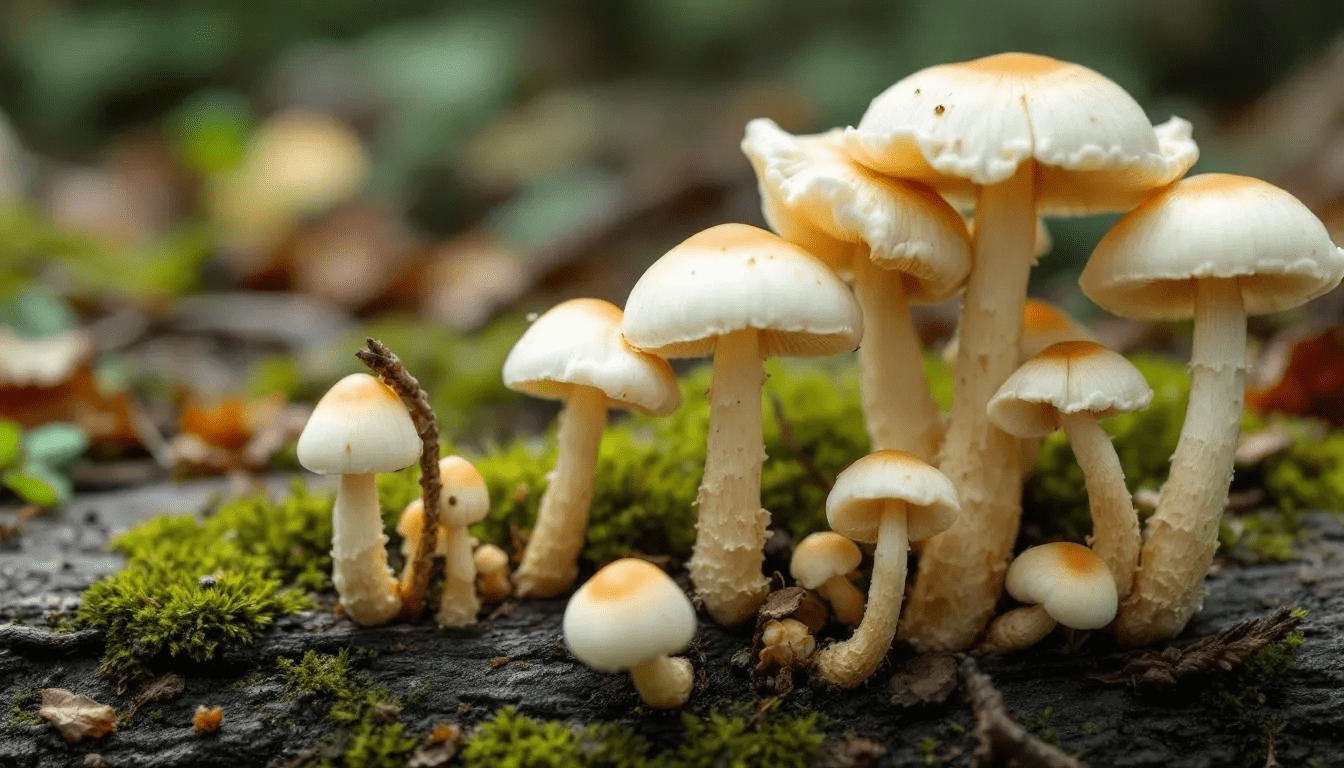
- Mushroom Side Effects Long-Term, Understanding Psychedelic Mushrooms
- Long-Term Physical Effects
- Psychological Impact Over Time
- Chronic Health Concerns
- Potential for Addiction
- Psychedelic Mushrooms and Brain Connectivity
- Interaction with Other Substances
- Therapeutic Uses of Psilocybin
- Recognizing and Addressing HPPD
- Conclusion
- Frequently Asked Questions
- What are the long-term physical effects of psychedelic mushrooms?
- What is the psychological impact over time?
- Are there chronic health concerns associated with psychedelic mushroom use?
- Can one get addicted to psychedelic mushrooms?
- How do psychedelic mushrooms interact with other substances?
- What are therapeutic uses of psilocybin found in these mushrooms?
- How can one recognize and address HPPD from mushroom use?

This article explores the long-term side effects of magic mushrooms use, specifically psilocybin mushrooms, a type of hallucinogenic mushrooms. This area is often shrouded in mystery and theory surrounding these potent hallucinogens. We’ll explore the clinical experiences of patients who’ve been at the front lines, enduring controlled trials and conditions that you might find emotionally special or even unsettling. This isn’t just about individual patients’ perceptions; it’s about supporting everyone in making informed decisions on this issue, as discussed in our article.
Understanding Psychedelic Mushrooms
Psychedelic mushrooms, also known as magic or psilocybin mushrooms, contain hallucinogens that interact with the amygdala in the brain. These drugs are a key subject in psychopharmacology studies. These compounds vary in potency across different mushroom species.
Psychedelic Compounds
These magic mushrooms, house key psychedelic compounds like psilocin and psilocybin. When consumed, these hallucinogens, bind to serotonin receptors in the brain. This binding triggers hallucinations and altered perceptions. For instance, under the influence of hallucinogens like magic mushrooms, colors may seem brighter and time may appear to slow down, hinting at the term effects of these drugs.
Historical Use
Historically, many cultures have used hallucinogens like psilocybin mushrooms in religious rituals for their mind-altering effects. Ancient folks believed that these magic mushrooms, could connect them with the spirit world, a practice often associated with drug use. Over time, however, usage patterns of drugs changed due to evolving societal norms and laws.
Modern Context
Today’s society views psilocybin, with a mix of curiosity and caution. While hallucinogens, containing psilocybin, are illegal in most places, some areas are loosening clinical restrictions for medicinal use. Recent studies on magic mushrooms, specifically psilocybin, suggest potential benefits for mental health disorders like depression and PTSD. However, caution is necessary due to possible long-term side effects.
Long-Term Physical Effects
Neural Changes Over Time
Mushrooms can alter brain chemistry. They stimulate serotonin receptors, affecting mood and perception. But what about the long-term effects? However, prolonged use of hallucinogens, could lead to structural changes in the brain. For instance, a study found increased neural connectivity in people who used psilocybin regularly based on the phenomena of neural plasticity.
Impact on Bodily Health
Aside from the brain, other parts of the body may be affected too. Liver and heart might suffer from repeated exposure to these substances, as highlighted in a clinical article listed on PubMed. There’s evidence suggesting potential impacts on the immune system.
Psychological Impact Over Time
Long-term consumption can lead to emotional and cognitive changes.
Emotional Shifts
Long-term mushroom use can cause emotional shifts. These changes, may range from mild mood swings to severe depression or anxiety disorders in certain cases. For instance, some users report feeling emotionally unstable after years of frequent magic mushroom consumption.
An increasing number of personal accounts and case studies are linking prolonged use of magic mushrooms, with persistent psychosis. This condition is characterized by continuous disturbances in thoughts and emotions.
Cognitive Function
The impact on cognitive function is a significant concern for long-term magic mushrooms users. Some people experience memory lapses or struggle with attention and problem-solving skills over time due to psilocybin, as reported in CAS studies.
However, it’s not all negative. These mushrooms could potentially enhance cognition in some cases, as detailed in various articles. More research is needed to confirm this.
Whether these cognitive changes, are reversible or permanent also remains uncertain. The frequency of use and overall health status seems to influence the variance between individuals.
Chronic Health Concerns
Long-term mushroom use could lead to mental and physical health risks, according to articles on PubMed, CAS, and Google Scholar. Let’s delve into these concerns.
Mental Health Risks
Mushrooms can act as triggers that might worsen mental health disorders in some individuals, if they are already struggling with underlying issues with anxiety.
Certain individuals are more susceptible to these risks. If there is a family history of mental illness, for example, long-term mushroom use could be particularly dangerous.
Regular users need constant monitoring and regular mental health screenings
Physical Health Risks
Your body can also suffer from mushroom use. Long-term effects, include organ damage, immune system compromise, and even the risk of overdose.
Interactions with other substances matter as well is another area of concern that begs further research.
Potential for Addiction
Mushrooms are known for their psychedelic effects. But, what about the long-term side effects on addictive behavior? Let’s delve into that.
Recognizing Dependency Signs
Dependency and addiction might seem similar, but they’re not. Dependency refers to a psychological need for mushrooms. You might crave the experience, even when it’s harmful. On the other hand, addiction involves physical symptoms like withdrawal.
A person may isolate themselves or lose interest in other activities indicative of addiction. They may use more mushrooms over time, indicating tolerance.
Exploring Treatment Options
If you or someone you know is experiencing these signs, it is imperative to explore treatment options available.
Cognitive-behavioral therapy (CBT) and motivational interviewing, are two common approaches used in treating mushroom dependency.
Research is continuously ongoing on treatments for those struggling with these forms of drug use.
Psychedelic Mushrooms and Brain Connectivity
Emotional Response Shift
Long-term use of psychedelic mushrooms, show significant changes in users’ empathy, compassion, and emotional intelligence levels. This change may impact how we interact with others. Some patients actually becoming more empathetic and leading to improved relationships.
Resting State Network Impact
Resting state networks (RSNs) play a crucial role in our brains. Long-term mushroom use can influence these networks. Research, shows that mushroom users experience changes in their brain connectivity patterns, as seen on fMRI data study showing increased connectivity between parts of the brain that don’t usually communicate.
Interaction with Other Substances
Combined Effects
Mushrooms can interact with other substances, causing amplified or altered effects. This is known as polydrug use and it’s risky. For example, combining mushrooms with alcohol may intensify the psychedelic experience and increase the chance of a bad trip.
Polydrug use involving mushrooms can lead to unpredictable and sometimes dangerous outcomes. Individuals experience severe hallucinations and paranoia when mushrooms were combined with cannabis.
Increased Risks
Certain individuals may face higher risks from long-term mushroom use. Those who have mental health conditions are particularly vulnerable. People with schizophrenia might find their symptoms worsen after using mushrooms.
Genetic predisposition and concurrent substance use, can also contribute to this increased vulnerability. It’s like adding fuel to fire; these factors, can exacerbate the side effects of long-term mushroom use.
To protect these high-risk groups, targeted harm reduction strategies are crucial. This should include education about the dangers of mixing substances and providing support for those struggling with addiction.
Therapeutic Uses of Psilocybin
Benefits of Medicinal Use
Psilocybin, as of recent research data shows promise for treating mental health disorders. Research indicates potential benefits for conditions like depression and PTSD. Clinical trials are ongoing to verify these findings.
Reducing Harm from Long-Term Use
Education is key. Helping understand safe usage guidelines can prevent negative mushroom side effects long-term. Support networks also play a significant role in harm reduction strategies.
Policy implications come into play as well. More research is needed to develop effective policies that ensure safe usage while maximizing the potential medicinal benefits of psilocybin.
Microdosing is another strategy, that might reduce the risk of adverse effects from long-term mushroom use. This involves taking very small doses of psilocybin over an extended period.
Recognizing and Addressing HPPD
Identifying Symptoms Early
It’s vital to spot symptoms of Hallucinogen Persisting Perception Disorder (HPPD) early, one of the long-term side effects when misused. Common symptoms, include visual disturbances, like seeing halos or trails attached to moving objects. You might also experience depersonalization, a feeling of being detached from reality. Early detection, is key in preventing these symptoms from worsening.
Strategies For Coping
Managing long-term side effects of mushrooms necessitates effective coping strategies. Professional help is often necessary for managing these effects.
Therapists or psychologists can provide cognitive-behavioral therapy (CBT). Self-care practices like regular exercise and good sleep hygiene, can also be beneficial.
Support networks play a crucial role too. Connecting with others who have experienced similar issues can provide reassurance and practical advice.
Conclusion
Let’s circle back to the heart of the matter. Long-term use of psychedelic mushrooms, can lead to both physical and psychological side effects, from chronic health concerns to potential addiction. They can alter brain connectivity and have therapeutic uses, but it’s a double-edged sword.
Remember, knowledge is your best defense. Stay informed about the long-term effects of psychedelic mushrooms.
Frequently Asked Questions
What are the long-term physical effects of psychedelic mushrooms, specifically those containing psilocybin and psilocin, known hallucinogens and hallucinogenic drugs?
Research indicates that regular consumption of psychedelic mushrooms can lead to various physical side effects such as nausea, vomiting, muscle weakness, and lack of coordination.
What is the psychological impact over time?
Over time, consistent use of these mushrooms, may cause hallucinogen persisting perception disorder (HPPD), paranoia, mood swings and even psychosis.
Are there chronic health concerns associated with psychedelic mushroom use, specifically with hallucinogenic mushrooms, psilocybin mushrooms, or magic mushrooms, all known as hallucinogens?
Yes. Long-term use can lead to persistent psychiatric and neurological problems like HPPD and flashbacks, as evidenced by several research studies.
Can one get addicted to psychedelic mushrooms?
While not physically addictive, users can develop a psychological dependence on the experience that psychedelic mushrooms provide.
How do psychedelic mushrooms interact with other substances?
Psychedelic mushrooms can interact dangerously with other substances especially alcohol and cannabis. The combination can increase risk for adverse reactions.
What are the therapeutic uses of psilocybin, a form of psilocin found in these psychedelic drugs known as hallucinogenic mushrooms, and what is the psychedelic experience like?
Psilocybin has been studied for its potential therapeutic effects in treating depression, anxiety, and post-traumatic stress disorder (PTSD). However, there are safer medical ways of treating PTSD, for example, with NAD IV
How can one recognize and address HPPD from the use of hallucinogenic mushrooms, specifically magic mushrooms or psilocybin mushrooms, which are types of hallucinogens?
HPPD symptoms, include re-experiencing hallucinations or distortions experienced while under the influence. If you suspect you have HPPD, seek professional help immediately.
Final Words:
If you still have questions or want to see if our holistic therapies are a good match for you, we invite you to visit us in person if you’re in Palm Beach County or Saint Lucie County. For those unable to come to the office, we also provide effective care via Telemedicine consultations. Feel free to reach out to my office today at 772-332-9975—I’m happy to chat and you can also explore more about acupuncture for chronic pain:
- Your health history and concerns
- Potential causes/factors contributing to your condition
- Complementary modalities and lifestyle measures to incorporate into your care plan
- Our patient-focused process and what to expect at your first visit
I look forward to speaking with you!
Dr. Kumar Please check out his 136 five star reviews on WebMD.com
