

- Red Light Therapy Demystified
- Efficacy of Red Light Therapy for Autoimmune Conditions
- Addressing Specific Autoimmune Diseases
- Broader Applications of Red Light Therapy
- Understanding Inflammation in Autoimmune Diseases
- Precautions and Potential Side Effects
- The Future of Red Light Therapy in Healthcare
- Enhancing Life Quality with Red Light Therapy
- Conclusion
- Frequently Asked Questions
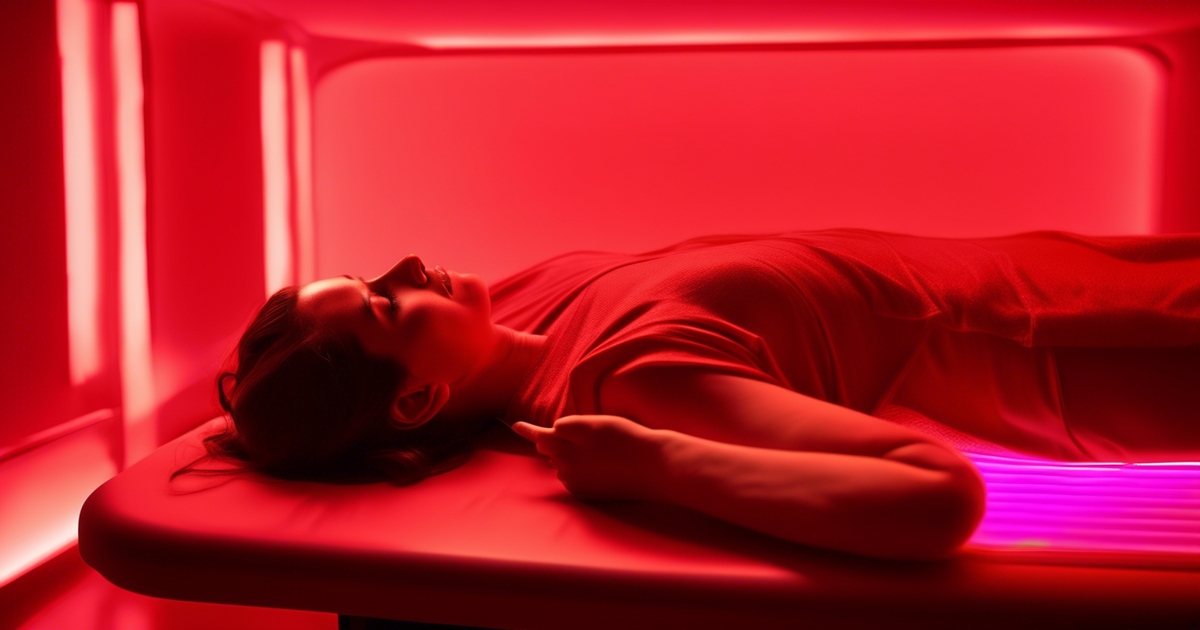
Red light sauna bed
Red Light Therapy, a term that might sound like it’s straight out of a sci-fi movie, is actually an innovative treatment making waves in the medical world. This article shines a light on how this form of therapy can help those grappling with autoimmune diseases. The heat generated from the LED sessions penetrates the body, reaching problematic cells and stimulating function. In some cases, just minutes under the red glow can make a significant difference. But don’t take our word for it; we’ve got research and testimonials to back up these claims. So, whether you’re new to this term or looking for more information about its effectiveness in treating MS and other autoimmune conditions, we’ve got you covered.
Demystifying Red Light Therapy
Understanding the Basics
Red light therapy, also known as photobiomodulation or laser light therapy, is a therapeutic technique that uses low-level red light wavelengths to treat various conditions. It works by delivering specific red and near-infrared wavelengths of natural light to your skin and cells.
The science behind it is fascinating. The photons from the red light penetrate into our skin where they stimulate cellular activity. This process promotes energy production within the cells, leading to numerous health benefits. Light therapy stimulates tissues due to the overlapping absorption spectra between oxidized cytochrome c oxidase (CCO) and biological responses to light.
Commonly, people use this therapy for skincare, pain management, wound healing, and more recently, autoimmune diseases. LLLT (Low-Level Laser Therapy) is applied as a non-invasive treatment that does not cause a temperature rise in treated tissue.
History and Evolution
The journey of red light therapy began in the 1960s with NASA’s experiments. They discovered that certain wavelengths of light increased energy production in plant cells. Following this discovery, researchers started investigating its potential benefits for humans.
Over time, advancements in technology allowed for more accessible and affordable devices. This led to an increase in clinical trials and research studies focusing on its application for autoimmune diseases.
One significant milestone was a 2017 study published in Scientific Reports which found that red light therapy could reduce inflammation and aid recovery in mice with autoimmune encephalomyelitis – an animal model of multiple sclerosis.
Health Benefits Offered

Red light therapy offers numerous general health benefits due to its ability to enhance cellular function. By stimulating mitochondria – the powerhouses inside our cells – it boosts energy production leading to improved cell growth and regeneration. Nitric oxide (NO) release during LLLT promotes vasodilation and increases the rate of ATP production.
Additionally, red light therapy promotes tissue growth and regeneration, making it a promising alternative for treating inflammatory diseases affecting the skin and joints. RLT promotes tissue repair and enhances collagen synthesis by stimulating cellular energy production.
This process impacts overall wellness positively by reducing oxidative stress – a major contributor to aging and chronic diseases. Furthermore, it can help manage pain and inflammation – two common symptoms associated with autoimmune disorders and chronic inflammatory diseases. LLLT reduces the concentration of inflammatory signaling molecules like nuclear factor kappa B (NF-κB) and inhibits prostaglandin E2 and interleukin-1β.
But how does it benefit those suffering from autoimmune diseases? Well, studies suggest that red light therapy may help modulate immune responses by reducing inflammation – a key factor in such conditions like rheumatoid arthritis or lupus.
Scientific Research Findings

Red light therapy has been the subject of numerous scientific studies. These investigations have explored its potential benefits for a variety of health conditions, including autoimmune diseases.
One key finding is that red light therapy can help to regulate immune responses. This is particularly relevant for individuals with autoimmune conditions, where the body’s immune system mistakenly attacks healthy cells.
However, there are still gaps in our understanding. While many studies have shown promising results, more research is needed to fully understand how and why red light therapy works.
Impact on Inflammatory Responses

Inflammation is a common symptom of many autoimmune diseases. Red light therapy has been found to reduce inflammation by targeting the inflammatory response in inflammatory cells, which can be beneficial for managing these conditions.
The therapy achieves this by influencing cellular processes that control inflammation. By doing so, it can help to alleviate symptoms and improve quality of life for those living with autoimmune diseases.
There are several case studies that demonstrate this effect. For example, one patient with rheumatoid arthritis reported significant improvement in her symptoms after undergoing red light therapy.
Connection with Chronic Pain Management
Many people with autoimmune diseases also experience chronic pain. Red light therapy may offer an effective way to manage this symptom.
The mechanism behind this benefit involves the stimulation of certain biological processes that can reduce pain perception. This includes promoting blood flow and reducing inflammation, both of which can contribute to pain relief.
Patient testimonials support these findings. One individual with fibromyalgia described experiencing less pain and improved mobility after using red light therapy regularly.
How Red Light Therapy Affects the Immune System

Red light therapy, also known as low-level laser therapy (LLLT) or photobiomodulation (PBM), has garnered attention for its potential to positively impact the immune system. This innovative treatment works by harnessing specific wavelengths of red and near-infrared light to stimulate the body’s natural healing processes.
One of the key ways red light therapy benefits the immune system is by modulating the immune response. In autoimmune diseases, the immune system mistakenly attacks healthy cells, leading to chronic inflammation and tissue damage. Red light therapy helps to balance this overactive immune response, reducing the severity of inflammation and promoting a healthier immune function.
The mechanism behind this involves the stimulation of mitochondria, the powerhouse of our cells. When exposed to red and near-infrared light, mitochondria produce more adenosine triphosphate (ATP), the energy currency of the cell. This increase in cellular energy enhances the cells’ ability to repair and regenerate, which is crucial for managing chronic inflammation and autoimmune disorders.
Moreover, red light therapy has been shown to reduce the production of pro-inflammatory cytokines, which are signaling molecules that promote inflammation. By decreasing these cytokines, red light therapy can help alleviate the chronic inflammation that is a hallmark of many autoimmune diseases.
Scientific studies support these benefits. For instance, research has demonstrated that red light therapy can significantly reduce markers of inflammation in conditions like rheumatoid arthritis and multiple sclerosis. This makes it a promising adjunctive treatment for managing autoimmune diseases and improving overall immune health.
In summary, red light therapy offers a non-invasive, effective treatment option for modulating the immune response and reducing chronic inflammation. By enhancing cellular energy production and reducing pro-inflammatory cytokines, it helps to create a more balanced and healthier immune system, providing relief for those suffering from autoimmune disorders.
Addressing Specific Autoimmune Diseases
Autoimmune diseases, often classified as types of inflammatory disease, can wreak havoc on the body. But, red light therapy shows promise in managing some of these conditions.
Red Light Therapy and Rheumatoid Arthritis
Rheumatoid arthritis patients often struggle with joint pain and limited mobility. Red light therapy may offer a glimmer of hope. LLLT is a promising therapeutic option for rheumatoid arthritis, able to modulate inflammatory responses in both early and late stages of the disease. LLLT has been studied in rheumatoid arthritis models and shows effectiveness across different stages of the disease, further supporting its potential as a treatment.
Studies suggest that this therapy can improve joint mobility. Patients report less stiffness and pain after regular treatment sessions. RLT enhances joint mobility and decreases stiffness for autoimmune disorders affecting the joints.
Research supports the use of red light therapy for rheumatoid arthritis. It’s not a cure-all, but it offers relief from symptoms.
Carpal Tunnel Syndrome and Red Light Therapy
Carpal tunnel syndrome causes numbness and tingling sensations in your hand. This autoimmune disorder can be debilitating, but red light therapy might help.
Patients who underwent this treatment reported fewer symptoms. The numbness and tingling were less severe after several sessions.
Clinical studies back up these claims. They show that red light therapy can effectively manage carpal tunnel syndrome symptoms.
Psoriasis Relief through Red Light Therapy
Psoriasis is an autoimmune condition that affects the skin. It causes itchiness and discomfort, but red light therapy could alleviate these symptoms.
Patients who used this form of treatment noticed improvements in their skin condition. The itchiness levels reduced significantly after regular sessions.
Clinical trials support these findings too. They demonstrate that psoriasis patients benefit from using red light therapy regularly.
Red light therapy has been gaining popularity due to its potential in managing various health conditions, including inflammatory diseases. It’s particularly noted for its role in osteoarthritis and muscle repair, skin rejuvenation, wound healing, and even oral and brain health.
Osteoarthritis and Muscle Repair
Osteoarthritis can cause immense discomfort. Red light therapy or phototherapy may be a beacon of hope for those suffering from this condition. Studies suggest that it helps reduce inflammation and pain associated with osteoarthritis. Additionally, LLLT has potential benefits for reducing joint swelling and tenderness in osteoarthritis, making it a promising option for managing this condition.
Furthermore, athletes often turn to red light therapy for muscle repair and recovery. The therapy accelerates the healing process by stimulating cellular activity. This means less downtime after intense workouts or injuries.
As per research findings, patients with osteoarthritis showed significant improvement after undergoing red light therapy sessions. This suggests that this non-invasive treatment could potentially revolutionize how we address joint disorders.
Skin Conditions and Wound Healing
Skin conditions like psoriasis or eczema can be stubborn to treat. But red light therapy has shown promising results in managing these issues effectively. Unlike some other light therapies, red light therapy does not increase the risk of skin cancer. It works by reducing inflammation and promoting healthy skin cell growth.
The therapy aids in wound healing and tissue regeneration. It does so by enhancing blood flow to the affected area, accelerating the body’s natural healing process.
Case studies have demonstrated remarkable improvements in patients’ skin conditions after regular red light therapy sessions. Wounds also healed faster than usual, further solidifying the potential of this treatment method.
Improvement in Dental and Brain Health
Oral health is crucial yet often overlooked. Red light therapy has been found beneficial for various oral health issues such as gum disease or tooth decay by promoting tissue regeneration.
Interestingly, the benefits extend beyond just dental health – it might also impact cognitive function positively! Research shows that red light therapy could potentially enhance brain health by improving memory function and reducing symptoms of neurodegenerative diseases.
Studies validating these claims have shown significant improvements in patients’ dental health after undergoing red light therapy. Moreover, individuals with cognitive impairments also exhibited marked enhancements in their condition post-therapy.
Understanding Inflammation in Autoimmune Diseases
Autoimmune diseases are complex. They may cause a myriad of symptoms, and red light therapy could be a solution.
Cause Symptoms Types
Autoimmune diseases occur when the immune system mistakenly attacks healthy cells in the body. This can result in inflammation, pain, and damage to various parts of the body. Symptoms vary widely depending on the type of autoimmune disease but commonly include fatigue, muscle aches, and low-grade fever.
Red light therapy is gaining attention as a potential treatment for managing these symptoms. By exposing the body to low levels of red or near-infrared light, it may help reduce inflammation and alleviate pain associated with autoimmune diseases.
The connection between autoimmune diseases and red light therapy lies in its ability to stimulate cellular function. It helps cells produce more energy, which aids healing and reduces inflammation—an essential aspect considering that chronic inflammation is a common feature of many autoimmune disorders.
Anti-Inflammatory Effects Red Light Therapy
The anti-inflammatory effects of red light therapy are remarkable. It’s not just about providing relief from symptoms; it’s about addressing one of the root causes—inflammation.
The mechanism behind this effect involves stimulating mitochondria—the powerhouse within our cells—to produce more ATP (energy). More energy means healthier cells that can repair themselves faster and combat inflammation better.
Scientific evidence supports these benefits too. Studies have shown significant reductions in inflammatory markers after using red light therapy. For example, one study found a 30% reduction in tumor necrosis factor-alpha (TNF-alpha), an inflammatory protein overproduced in many autoimmune conditions.
Precautions and Potential Side Effects
Red light therapy, while beneficial for autoimmune diseases, has its risks and safety measures to consider. LLLT is non-invasive and incurs minimal side effects compared to standard treatments.
Risks & Safety Measures
Red light therapy is generally considered safe. However, potential risks may arise if not used correctly. For instance, prolonged exposure can potentially cause burns or eye damage. This underlines the importance of adhering to guidelines on duration and intensity.
Safety measures are crucial when using red light therapy. Always wear protective eyewear during sessions. Avoid direct skin exposure to the red light for extended periods.
Regulations advise against self-prescribing treatment durations or intensities without medical consultation. Following these guidelines ensures a safe experience with red light therapy. It is also important to note that immunosuppressant medications may interfere with the healing effects of Red Light Therapy, making its effects less effective. Patients should consult their healthcare provider for tailored advice.
Side Effects of Cancer Treatment Alleviated
Interestingly, red light therapy also shows promise in managing side effects of cancer treatments. It’s not a cure but can improve patients’ quality of life significantly.
Cancer treatments often come with debilitating side effects like fatigue, nausea, and skin problems. Red light therapy helps alleviate these issues by stimulating cellular repair processes.
Several studies support this therapeutic potential of red light therapy in oncology settings. They indicate that it can reduce pain and inflammation caused by radiation or chemotherapy.
The Future of Red Light Therapy in Healthcare
Cost-Effectiveness and Insurance Coverage
Red light therapy is gaining popularity due to its cost-effectiveness. Compared to other treatments for autoimmune diseases, it’s generally more affordable.
However, the cost can still be a factor for many people. It depends on various things like the type of device used and the duration of treatment.
Insurance coverage for red light therapy is another aspect to consider. Currently, most insurance companies do not cover it as it’s considered an alternative treatment method.
But don’t lose hope yet! With increasing scientific evidence supporting its benefits, we may see changes in insurance policies soon.
Enhancing Eye Health and Treating Asthma
Moving on to eye health, red light therapy shows promising results. It has been found beneficial in managing conditions like macular degeneration.
Imagine this: A non-invasive procedure that could potentially slow down or even reverse your eye condition! That’s what red light therapy offers.
Now let’s talk about asthma. Managing asthma symptoms can be tough. But with red light therapy, there’s hope for better control of these symptoms.
Studies have shown its effectiveness in reducing inflammation in the airways – a major concern for asthma patients. So if you’re struggling with asthma, this could be worth exploring!
Enhancing Life Quality with Red Light Therapy
The world of wellness has embraced red light therapy for its potential in treating various health conditions. Specifically, it can address aging-related issues and fibromyalgia symptoms while also aiding in weight loss and improving thyroid function.
Aging Issues and Fibromyalgia Relief
Red light therapy devices have been recognized for their effectiveness in managing signs of aging. Wrinkles, age spots, and other skin imperfections that come with age can be lessened through this method. It works by stimulating collagen production, a protein responsible for maintaining skin elasticity.
Fibromyalgia patients can also benefit from red light therapy. This chronic condition manifests as widespread pain throughout the body coupled with fatigue. With photobiomodulation or red light therapy, pain points are targeted to alleviate discomfort. LLLT has shown efficacy in alleviating symptoms of fibromyalgia, a common comorbidity with autoimmune disorders, by providing symptom relief. Several clinical studies have demonstrated that LLLT provided relief from fibromyalgia symptoms, making it a valuable option for managing this condition.
Several studies support these claims. For instance, a 2014 research published in “Lasers in Surgery and Medicine” showed significant improvements on wrinkle scores after bi-weekly treatments for three months using red light therapy.
Weight Loss and Thyroid Health
Beyond skincare and pain relief, red light therapy is also making waves in the weight loss industry. The energy from the laser light penetrates the skin and reaches fat cells. This process triggers lipolysis wherein fat cells release fatty acids into the bloodstream resulting in reduced size of fat tissues.
Moreover, it’s not just about aesthetics but overall health too. An underactive thyroid gland can lead to weight gain among other symptoms. Red light treatment has been found to improve thyroid function by reducing inflammation and promoting tissue repair.
A study published in “Photomedicine and Laser Surgery” revealed that patients who underwent ten sessions of low level laser therapy showed improved thyroid hormone levels compared to those who did not receive any treatment.
Conclusion
Other methods to help with autoimmune conditions include:
- Ozone therapy
- NAD IV Therapy
- Low Dose Naltrexone
- Ozone Therapy for Lupus: Effective Medical Treatment
We’ve journeyed together through the world of red light therapy and its potential for managing autoimmune diseases. It’s clear that this treatment, while not a magic bullet, can be a game changer. The science supports it, the results speak volumes, and the future looks bright (pun intended)! Red Light Therapy is non-invasive and incurs minimal side effects, making it a desirable treatment option for inflammatory diseases. However, the standard of care for the majority of inflammatory diseases is immunosuppressive agents, which have undesirable toxicities, highlighting the need for alternative therapies like Red Light Therapy.
So, what’s stopping you from exploring red light therapy for your autoimmune condition? Remember, knowledge is power. Take control of your health today. Seek advice from healthcare professionals about incorporating red light therapy into your treatment plan. Let’s turn the tide on autoimmune diseases together, one photon at a time.
Frequently Asked Questions
Here are 5 top FAQs with answers about using near infrared red light therapy for autoimmune diseases:
1. How does red light therapy help those with autoimmune conditions?
Red and near infrared light can help calm the overactive immune responses that damage healthy tissue in autoimmune diseases. Light exposure helps regulate pro-inflammatory cytokines, reduces oxidative stress, stimulates protective heat shock proteins, and supports healthy mitochondria to reduce flares.
2. Is red light therapy safe?
Yes, near infrared and red light therapy have extremely high safety profiles with no known adverse effects when standard protocols are properly followed. The non-invasive light cannot damage cell DNA and causes no known long-term risks for patients.
3. Which autoimmune patients respond best to photobiomodulation light therapy?
While more research is still needed, initial evidence shows positive improvements for those with rheumatoid arthritis, systemic lupus erythematosus (SLE), Sjogren’s disease, psoriatic arthritis, hashimoto’s thyroiditis, ulcerative colitis and other conditions.
4. What does the treatment involve?
Most patients sit or lay a few inches from flexible therapeutic light pads that emit concentrated red and NIR wavelengths. Treatment times start around 3-5 minutes with longer 10-20 minute sessions a few times per week showing good results for autoimmunity.
5. Are the effects permanent or do treatments need to be ongoing?
Like most therapies, positive results depend on an ongoing treatment plan to sustain benefits. Periodic maintenance with 1-2 weekly treatments is typically recommended long-term to maintain lowered inflammatory burden and prevent flares as possible. Most devices are now affordable for at-home use as well.
6. Can red light therapy cause cancer?
It uses low-level red and near-infrared light that does not damage cellular DNA, unlike harmful UV light. This therapy is safe, non-invasive, and promotes tissue healing without increasing cancer risk.
Final Word
At LifeWell MD, Dr. Kumar integrates his MD-level medical expertise with cutting-edge red light therapy to offer a comprehensive approach to managing autoimmune diseases. This innovative combination ensures patients receive not only symptom relief but also targeted treatment addressing the underlying inflammatory processes driving their conditions. Unlike generic light therapy providers, Dr. Kumar’s medically informed approach minimizes risks of misdiagnosis and tailors therapy protocols based on the latest scientific insights into red light therapy’s anti-inflammatory and immune-modulating effects.
By harnessing the known mechanisms of red light therapy—such as enhancing mitochondrial cytochrome c oxidase activity, promoting tissue growth and repair, and modulating pro- and anti-inflammatory cytokines—patients benefit from a scientifically grounded, non-invasive treatment that supports immune balance and reduces chronic inflammation. This integrative model maximizes therapeutic outcomes while fostering confidence and peace of mind throughout the healing journey.
Don’t miss your chance to experience the transformative benefits of medically guided red light therapy for autoimmune diseases. Join the growing number of patients who have found relief and improved quality of life at LifeWell MD. Due to high demand and to ensure personalized care, appointment slots are limited. Call 561-210-9999 today to secure your consultation and take the first step toward lasting wellness—because when it comes to your health, waiting can mean missing out on the best chance for effective healing.
Please check out his 120 five star reviews on Healthgrades and his 136 five star reviews at WebMD.. You can also see more LifeWell MD reviews.
