

Introduction to Acupuncture
- Acupuncture originated in ancient China and evolved into different styles, including Chinese and Japanese acupuncture. It has been practiced for over 3000 years, showing its enduring significance.
- Chinese acupuncture originated in China, while Japanese acupuncture evolved into a distinct system developed in Japan. Both styles, along with others, root in traditional East Asian medicine, which provides their historical and philosophical foundation.
- Chinese acupuncture became an organized system during the Han Dynasty around 206 BC.
- Traditional Chinese Medicine (TCM) and Japanese acupuncture represent two distinct approaches to acupuncture treatment.
- Chinese methods introduced via Korea influenced Japanese acupuncture in the 6th century.
- Both Chinese and Japanese acupuncture aim to promote healing and balance through traditional practices.
- Understanding the differences between TCM and Japanese acupuncture helps patients choose the best treatment. Besides Chinese and Japanese acupuncture, other styles like Korean acupuncture have unique characteristics.
Historical Development and Evolution of TCM and Japanese Acupuncture
The historical development of Traditional Chinese Medicine (TCM) and Japanese acupuncture reveals a fascinating journey of shared origins and unique evolution.
Origins and Early Foundations
Chinese acupuncture, a cornerstone of traditional Chinese medicine, traces its roots back over two millennia to ancient China. Foundational texts like the Huangdi Neijing established core concepts such as Qi, the meridian system, and acupuncture points—principles that still guide treatments today.
Spread to Japan and Cultural Adaptation
Acupuncture spread beyond China and arrived in Japan in the 6th century through Korean scholars and Buddhist monks. Although Japanese acupuncture began with the same foundational theories as Chinese acupuncture, it gradually developed its own identity. Japan’s distinct cultural context, including periods of national isolation, allowed practitioners to refine techniques independently. This led to Japanese acupuncture methods emphasizing gentle, precise needle insertion and subtle energy adjustments.
Diagnostic Traditions and Practitioner Influence
Blind practitioners significantly influenced Japanese acupuncture. These skilled acupuncturists developed a rich tradition of diagnosis through touch, using palpation to assess the abdomen, back, and meridian system. This tactile diagnostic approach distinguishes Japanese acupuncture from the Chinese method, which relies more on pulse diagnosis, tongue inspection, and broader organ system analysis.
Evolution of Needle Techniques and Treatment Methods
Needle techniques also mark key differences between Chinese and Japanese acupuncture. Chinese acupuncture often uses thicker needles and deeper insertion to elicit the de qi sensation—a dull ache or tingling signaling Qi’s arrival at the acupuncture point. In contrast, Japanese acupuncture favors thinner needles and shallow insertion. Practitioners often use a guide tube for precise, gentle placement, enhancing comfort for sensitive patients.
Moxibustion, the therapeutic use of heat from the mugwort plant, also diverged between traditions. Both Chinese and Japanese acupuncture incorporate moxibustion, but Japanese practitioners developed unique techniques like cone moxibustion and warm needle moxibustion, adding soothing heat therapy to treatments.
Modern Recognition and Healing Approaches
Today, both Chinese and Japanese acupuncture receive recognition for effective pain management, stress relief, and overall well-being. Their ongoing evolution reflects a commitment to holistic healing and adapting ancient wisdom to modern needs. Understanding differences in diagnostics, needle techniques, and treatment philosophies helps patients and practitioners make informed choices. Whether drawn to traditional Chinese medicine’s robust stimulation or Japanese acupuncture’s gentle precision, both styles offer rich traditions to restore balance and support natural healing.
Foundations of Chinese and Japanese Acupuncture
- Chinese acupuncture bases itself on Traditional Chinese Medicine (TCM) and Qi flow through meridians. It deeply roots in Taoist theory balancing body and environment, focusing on Yin and Yang.
- TCM considers a larger range of meridians (twelve main ones) and uses a more comprehensive treatment approach.
- Chinese style acupuncture typically involves deeper needle insertion and broader techniques, such as moxibustion and cupping, suitable for chronic or severe conditions.
- Chinese acupuncture emphasizes specific points for patterns according to TCM diagnosis.
- Japanese acupuncture evolved from Chinese methods with a gentler, more refined technique.
- Chinese acupuncture uses a holistic approach addressing energetic and body imbalances in treatment.
- Japanese acupuncture blends classical methods with modern practice, incorporating contemporary techniques and insights for holistic health maintenance.
Japanese Acupuncture Methods
- Japanese acupuncture uses thinner needles with shallower insertion for subtle energy adjustments.
- Japanese practitioners use palpation skills and detailed touch-based assessment of the patient’s condition, a technique standard among Japanese acupuncturists. They often adapt treatment in real-time based on the patient’s response.
- Kiiko Matsumoto popularized the gentle, palpation-focused Japanese acupuncture style.
- Cultural beliefs and practices during Japan’s Isolation Period influenced Japanese acupuncture development. During this time, practitioners developed unique diagnostic and treatment methods, emphasizing palpation and moxibustion to adapt to historical restrictions and distinguish their approach from Chinese origins.
- Japanese acupuncture methods emphasize gentle palpation and needle insertion at specific body areas.
- Zen Buddhist principles of simplicity and practicality influence Japanese acupuncture, focusing on minimizing symptoms.
Acupuncture Point Selection and Chinese Medicine
- Chinese acupuncturists use pulse diagnosis, tongue and eye inspection, and patient history for treatment planning. They emphasize pulse and tongue diagnosis more than Japanese acupuncture.
- TCM follows a broader, more complex system diagnosing and treating syndromes (Zheng) by analyzing symptoms across a wider spectrum of meridians.
- Chinese acupuncture practitioners induce a stronger de qi sensation, which can be intense and potentially painful, unlike the gentle stimulation in Japanese acupuncture. Chinese style needles are thicker and inserted deeper for stronger stimulation; Japanese methods use thinner needles and shallower insertions for subtlety.
- Chinese acupuncture focuses on strong needle stimulation to activate Qi flow throughout the body, believed to increase qi and enhance treatment effectiveness.
- Japanese acupuncture uses abdominal palpation and meridian theory for diagnosis and treatment.
- Chinese and Japanese acupuncture differ in acupuncture point selection and treatment approaches.
Alternative Healing Modalities and Acupuncture
- Acupuncture in Traditional Chinese Medicine relieves pain and promotes well-being.
- Chinese acupuncture includes various techniques besides acupuncture, such as tui na massage, cupping, and herbal prescriptions alongside acupuncture and moxibustion.
- Japanese acupuncture incorporates refined moxibustion techniques, developed separately from Chinese practices.
- Chinese acupuncture provides robust stimulation; Japanese acupuncture offers gentle precision. Chinese acupuncture combines herbal medicine with acupuncture, while Japanese acupuncture often uses moxibustion techniques.
- Both styles effectively treat various conditions, including pain management.
The Healing Journey with Acupuncture
Japanese acupuncture suits patients sensitive to pain due to shallower needle insertion and gentler techniques.
Japanese acupuncture techniques often involve shallower needle insertions causing less discomfort than Chinese acupuncture.
Chinese acupuncture often involves deeper needle insertion targeting specific acupuncture points. Practitioners induce a stronger de qi sensation, which can be intense and potentially painful compared to Japanese acupuncture’s gentle stimulation.
The goal of acupuncture treatment is to restore balance and promote well-being. A qualified practitioner guides the healing journey for each individual.
Benefits of Acupuncture Treatment
- Acupuncture treatment offers many benefits, including pain management and stress relief. Modern practitioners use advanced diagnostic techniques like palpation to enhance outcomes.
- Japanese acupuncture effectively treats conditions such as anxiety and depression.
- Japanese acupuncture focuses on a smaller set of meridians (Lung, Spleen, Kidney, Liver) and often incorporates therapies like moxibustion.
- Chinese acupuncture has proven effective in pain management and overall healing. Both Chinese and Japanese acupuncture use moxibustion.
- Both Japanese and Chinese acupuncture provide valuable holistic healing tailored to individual needs. If interested, consider visiting a clinic to practice acupuncture for health needs.
Japanese and Chinese Acupuncture Comparison
- Japanese acupuncture uses finer needles and shallow insertion, often perceived as barely noticeable.
- Chinese acupuncture uses thicker needles inserted deeper for stronger stimulation of acupuncture points. Traditionally, Chinese acupuncturists used thicker needles with strong manipulation techniques.
- Chinese acupuncture often involves more needles inserted deeper into the skin.
- Japanese acupuncture emphasizes palpation skills and detailed touch-based assessment of the patient’s condition.
- Chinese acupuncture focuses on strong needle stimulation to activate Qi flow throughout the body.
- Korean acupuncture differs with unique techniques like the four-needle method (Sa-am), focusing on extremities like hands or ears. It uses a balancing method to regulate qi by sedating excess qi in one organ system with two needles, while tonifying another organ system with two needles. This highlights Korean acupuncture’s emphasis on balance and effectiveness.
Differences between TCM Acupuncture and Japanese Style Acupuncture:
| No. | Difference Aspect | Traditional Chinese Medicine (TCM) Acupuncture | Japanese Style Acupuncture |
|---|---|---|---|
| 1 | Needle Characteristics | Thicker needles inserted more deeply with stronger stimulation | Thinner, finer needles inserted just under the skin with gentler touch |
| 2 | Diagnostic Process | Relies on visual cues like tongue and pulse analysis | Emphasizes palpation and abdominal examination for tactile diagnosis |
| 3 | Needle Manipulation | Strong manipulation techniques like twisting or deep thrusting to elicit “de qi” sensation | Minimal manipulation, sometimes contact needling without insertion |
| 4 | Treatment Philosophy | Follows standardized protocols based on traditional point prescriptions | Adapts strategy dynamically through constant feedback and close monitoring |
| 5 | Use of Moxibustion | Used as an adjunct to acupuncture treatment | Integrated more intricately and gently with refined direct and indirect techniques |
| 6 | Use of Herbal Medicine | Commonly combined with herbal prescriptions as part of broader therapy | Generally operates independently from herbal medicine, focusing on manual techniques and moxibustion |
| 7 | Practitioner Presence | Practitioner may leave patient resting with needles in place | Practitioner stays with patient throughout |
FAQ:
Is Japanese acupuncture better than Chinese acupuncture?
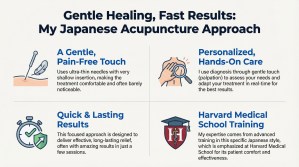
Japanese acupuncture often wins preference for its gentle, pain-free technique and quick, lasting results, easing patient experience. Harvard Medical School’s acupuncture program emphasizes Japanese style acupuncture for its adaptability and patient comfort.
What is the difference between Chinese and Japanese acupuncture needles?
Japanese acupuncture uses thinner needles with shallow insertion, causing minimal discomfort. Chinese acupuncture typically employs thicker needles inserted deeper, making Japanese style gentler and more patient-friendly.
What is the difference between acupuncture and TCM?
Acupuncture is a treatment technique originating from Traditional Chinese Medicine (TCM), which includes herbs, diet, and other therapies. Japanese style acupuncture, taught at Harvard Medical School, focuses solely on acupuncture without herbal use, adapting treatments interactively based on patient response.
What is Japanese style acupuncture?
Japanese style acupuncture emphasizes gentle needle insertion, real-time adaptation, and patient comfort, often without relying on herbal medicine. Harvard’s program favors this approach for effective pain relief with minimal discomfort and personalized healing.
What is the most powerful acupuncture?
The most powerful acupuncture varies by patient needs. Japanese style acupuncture is recognized for effective, lasting pain relief through gentle, adaptive techniques. Dr. Kumar, trained at Harvard Medical School, attributes its success to patient-focused, interactive treatment.
What are the disadvantages of Chinese acupuncture?
Chinese acupuncture can involve deeper needle insertion and stronger stimulation, causing discomfort or pain for some patients. Japanese acupuncture offers a gentler alternative, avoiding these drawbacks while achieving optimal results.
What type of treatment is acupuncture most effective?
Acupuncture is most effective for pain management, stress relief, and overall well-being. Japanese style acupuncture, highlighted by Harvard Medical School, excels due to its gentle technique and adaptive approach.
What is the difference between Japanese and Korean acupuncture?
Japanese acupuncture uses thinner needles and emphasizes palpation and real-time patient feedback. Korean acupuncture focuses on a four-needle balancing technique targeting extremities. Both styles share roots in traditional East Asian medicine but differ in diagnosis and treatment.
What are three kinds of illnesses treated by acupuncture?
Acupuncture effectively treats pain conditions, anxiety and depression, and digestive disorders. Japanese style acupuncture, taught at Harvard Medical School, manages pain and promotes holistic well-being.
What not to do after acupuncture?
After acupuncture, patients should avoid strenuous activity and alcohol to maximize treatment benefits. Following these guidelines supports lasting effects of Japanese style acupuncture, designed to promote gentle, sustained healing.
Is dry needling the same as acupuncture?
Dry needling uses similar needles but targets muscle trigger points for pain relief, differing from acupuncture’s holistic approach based on traditional medicine. Japanese style acupuncture focuses on balancing Qi and patient comfort.
Conclusion
- Both Japanese style acupuncture and TCM acupuncture effectively treat a wide range of conditions.
- Each style has unique merits and diagnostic and treatment approaches within acupuncture practice.
- Understanding key differences between Japanese and Chinese acupuncture helps patients make informed decisions. When choosing between Japanese and Chinese acupuncture, consider treatment goals, sensitivity levels, and practitioner training.
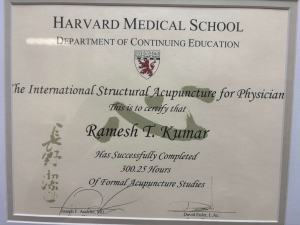
- Dr. Kumar’s expertise in Japanese style acupuncture stems from advanced Harvard Medical School training. He mastered techniques delivering quick, long-lasting results. His education equips him to provide highly effective, personalized treatments.
Final Word
At LifeWell MD, Dr. Kumar brings his advanced training in Japanese style acupuncture from Harvard Medical School to provide patients with a uniquely effective healing experience. Unlike traditional Chinese medicine (TCM) acupuncture, which often involves deeper needle insertion and stronger stimulation that can take days or weeks to show results, Dr. Kumar’s Japanese acupuncture approach uses finer needles and gentle, precise techniques that promote rapid and longer-lasting relief.
Patients should be aware that while both TCM and Japanese acupuncture share roots in traditional East Asian medicine, they differ significantly in philosophy, diagnostic methods, and treatment style. Dr. Kumar’s expertise ensures that each treatment is tailored to the individual’s needs, maximizing comfort and therapeutic outcomes through real-time feedback and subtle energy adjustments.
If you seek acupuncture that delivers quick, lasting results with minimal discomfort, don’t miss the chance to experience Dr. Kumar’s specialized Japanese style acupuncture. Spaces are limited to maintain personalized care and ensure optimal healing for every patient.
Join the growing number of individuals who have transformed their well-being under Dr. Kumar’s expert guidance. Call 561-210-9999 now to schedule your personalized consultation at LifeWell MD—because your health deserves the best, and the time to act is now.
Please check out his 120 five star reviews on Healthgrades and his 136 five star reviews at WebMD.. You can also see more LifeWell MD reviews.
