
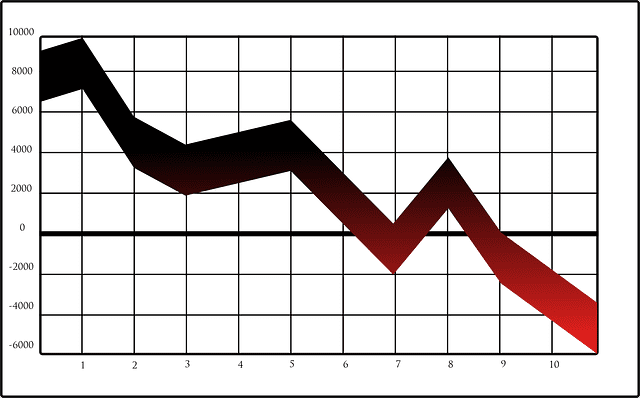

Testosterone levels naturally decline as men age, leading to various symptoms such as decreased muscle mass, fatigue, and reduced libido. This gradual decrease in testosterone is a normal part of the aging process. Reduced testosterone production is a natural part of aging, often leading to symptoms that may improve with testosterone replacement therapy.
Introduction:
As men age, it’s common to experience a decline in testosterone levels. The adrenal gland also plays a role in producing testosterone, especially in women, highlighting that testosterone is not solely a male hormone. This natural decrease can lead to various physical and mental changes that can significantly impact one’s quality of life.
Many men shrug off the symptoms associated with low testosterone as a normal part of aging, which can delay diagnosis and treatment. In this blog post, we will explore the relationship between testosterone and aging in men, the symptoms associated with low testosterone, and potential treatment options to help maintain a healthy hormonal balance.
Introduction to Testosterone:
Testosterone is a hormone that plays a crucial role in the development and maintenance of male reproductive tissues, bone mass, and muscle strength. Testosterone levels typically peak during adolescence and early adulthood, providing the foundation for male physical and reproductive development. However, as men age, these levels gradually decline, which can lead to various health issues.
Understanding testosterone is essential for addressing conditions like low testosterone (male hypogonadism), which can affect men of all ages. Diagnosing low testosterone involves a blood test to determine testosterone levels, with normal testosterone levels ranging between 300 and 1,000 nanograms per deciliter (ng/dL) of blood. Recognizing the importance of this hormone can help in managing and treating testosterone deficiency effectively.
The Role of Testosterone:
Testosterone is essential for various bodily functions, including sperm production, facial and body hair growth, and the development of male sex characteristics. It also influences libido, bone density, and red blood cell production. The pituitary gland, through the release of luteinizing hormone (LH) and follicle-stimulating hormone (FSH), regulates testosterone production. These hormones signal the testes to produce testosterone, ensuring the body maintains adequate levels.
In women, testosterone, although present in lower levels, plays a role in libido and bone density. An imbalance in testosterone levels can lead to conditions such as polycystic ovary syndrome (PCOS) in women and low testosterone (hypogonadism) in men. Testosterone therapy, including testosterone replacement therapy, may be prescribed to treat these conditions. However, it’s crucial to weigh the benefits against potential risks, such as an increased risk of prostate cancer and blood clots. Consulting with a healthcare provider is essential to determine the best course of action.
The Link Between Testosterone and Aging:
Testosterone is the primary male sex hormone, responsible for regulating various bodily functions such as muscle mass, bone density, libido, and fat distribution. It is a hormone produced primarily in the testicles. Testosterone levels generally peak during adolescence and early adulthood, providing the foundation for male physical and reproductive development. Adolescent boys with too little testosterone may not experience normal masculinization, which can affect their physical and sexual development.
While testosterone levels naturally peak during adolescence and early adulthood, a gradual decline begins around the age of 30. Testosterone levels decrease by approximately 1% per year after the age of 30, with more significant declines occurring after the age of 40. Low blood testosterone levels, often referred to as Low-T, are typically defined as testosterone levels less than 300 nanograms per deciliter (ng/dL), according to the American Urology Association (AUA).
However, it is difficult for researchers to estimate how common low testosterone is because different studies have varying definitions of low testosterone. Approximately 2% of men may have low testosterone levels, highlighting the importance of awareness and early diagnosis. Low testosterone levels can result from conditions such as Klinefelter syndrome or hemochromatosis, which are medical conditions that affect hormone production. Primary and secondary hypogonadism are also causes of low testosterone; primary hypogonadism originates from issues in the testicles, while secondary hypogonadism is due to problems in the hypothalamus or pituitary gland.
Causes and Risk Factors:
Low testosterone levels can result from primary hypogonadism, where the testes fail to produce enough testosterone, or secondary hypogonadism, involving issues with the pituitary gland or hypothalamus that affect hormone production. Several risk factors can contribute to low testosterone, including aging, obesity, diabetes, certain medications (like opioids and steroids), and sleep apnea. Anabolic steroids, when used improperly, can also lead to reduced natural testosterone production.
Lifestyle factors, such as weight gain and lack of exercise, can significantly affect testosterone levels. Additionally, conditions like benign prostatic hyperplasia (BPH) and late-onset hypogonadism can impact testosterone production and overall health. Understanding these causes and risk factors is crucial for the diagnosis and treatment of low testosterone. Hormone replacement therapy may be recommended to restore normal testosterone levels and alleviate symptoms such as sexual dysfunction and decreased muscle mass. Consulting with a healthcare provider can help determine the most appropriate treatment plan tailored to individual needs.
Symptoms of Low Testosterone in Men:
As testosterone levels decline with age, men may experience a variety of symptoms, including:
- Fatigue and low energy levels
- Decreased libido (sex drive)
- Erectile dysfunction
- Reduced muscle mass and strength
- Increased body fat, particularly around the abdomen
- Mood swings, irritability, and depression
- Difficulty concentrating and memory problems, which is a symptom associated with low testosterone levels
- Insomnia and poor sleep quality
- Decreased bone density (osteoporosis)
- Reduced body hair and facial hair growth
- Delayed male puberty
Low testosterone is more likely to affect people with high BMI and diabetes, which can exacerbate these symptoms. In fact, low testosterone is more common in men who have high BMI or have diabetes, further highlighting the importance of managing these conditions. Additionally, a sedentary lifestyle, poor diet, anxiety, or depression can contribute to low testosterone levels, emphasizing the need for a holistic approach to health.
Symptoms of low testosterone can vary considerably by age, with younger men and older men often experiencing different effects. Low testosterone levels are common in older men, particularly those over age 80, where the decline in testosterone can be more pronounced and lead to significant health impacts. Studies show that a significant percentage of men over age 80 may have low testosterone levels, which can exacerbate age-related health issues and reduce quality of life.
While these symptoms can be attributed to other factors, it’s essential to consider the potential impact of low testosterone levels, especially if multiple symptoms are present.
Diagnosis and Testosterone Replacement Therapy Options:

If you suspect you may be experiencing the effects of low testosterone, consult with your healthcare provider. Certain health conditions can affect testosterone production, making it important to screen for these conditions. They may perform blood tests to measure your testosterone levels and evaluate your symptoms. Measuring testosterone levels in the morning is recommended for accurate diagnosis.
During diagnosis, specific signs and symptoms are used in addition to testosterone blood levels. A health history is also taken during a medical visit to assess low testosterone. Free testosterone or bioavailable tests for testosterone are not the same as total testosterone level tests, and your healthcare provider may use these to get a more comprehensive understanding of your hormonal health. Gonadotropin releasing hormone (GnRH) plays a crucial role in regulating testosterone production by stimulating the pituitary gland to release luteinizing hormone (LH).
Guidelines state that testosterone therapy should be prescribed only to men who meet clinical definitions of testosterone deficiency. If your testosterone levels are found to be low, your healthcare provider may recommend one or more of the following treatment options:
Testosterone replacement therapy (TRT):
This treatment involves supplementing the body with synthetic testosterone through injections, patches, or gels to increase testosterone levels. TRT can alleviate many symptoms of low testosterone, but it’s essential to discuss the potential risks and benefits with your healthcare provider. Testosterone treatment can aid those with low levels but also carries significant considerations regarding health implications.
Regular monitoring of testosterone levels is recommended during testosterone therapy. Additionally, testosterone therapy can lead to increased red blood cell counts, which should be monitored to avoid complications. Testosterone therapy can also help reverse the effects of hypogonadism.
However, it is important to note that testosterone therapy can lead to testicular atrophy, a condition where the testicles shrink due to reduced natural testosterone production.
Exogenous testosterone can cause infertility in men, making it crucial to weigh the benefits and risks of therapy carefully. Using testosterone therapy may result in increased levels of estrogen, leading to gynecomastia, a condition characterized by the enlargement of male breast tissue.

Lifestyle changes:
Implementing healthy lifestyle habits such as regular exercise, a balanced diet, and stress management can help improve testosterone levels naturally. Exercise, in particular, has been shown to boost testosterone levels and overall well-being. Natural ways to boost testosterone also include losing weight and increasing muscle mass through resistance exercise. 3. Medications: In some cases, medications may be prescribed to address specific symptoms of low testosterone, such as erectile dysfunction or depression. 4. Supplements: Some men may benefit from natural supplements designed to support healthy testosterone levels. Consult with your healthcare provider before starting any new supplement regimen.

Young couple in bed
A decline in testosterone levels is a natural part of the aging process for men. However, understanding the symptoms and seeking appropriate treatment can help maintain a healthy hormonal balance and improve overall well-being. Many people shrug off the symptoms associated with low testosterone as an unpleasant part of getting older.
Some men believe they feel younger on testosterone therapy, but evidence is limited, and more research is needed to understand the effects of testosterone therapy on aging. Currently, there is little evidence supporting testosterone therapy for otherwise healthy older men. Additionally, testosterone therapy may increase the risk of prostate cancer and heart disease, which underscores the importance of consulting with a healthcare provider to carefully evaluate the risks and benefits.
Some men experience side effects from testosterone therapy like acne and disturbed sleeping, which further highlights the need for personalized medical advice. If you suspect low testosterone may be affecting your quality of life, don’t hesitate to consult with your healthcare provider to discuss your concerns and explore potential treatment options.
Frequently Asked Questions (FAQ)
1. What is testosterone and why is it important?
Testosterone is the primary male sex hormone produced mainly in the testicles. It is a natural hormone crucial for various bodily functions in men, such as maintaining bone density, libido, and sperm production. It plays a crucial role in developing male physical characteristics such as muscle mass, bone density, body and facial hair, libido, and sperm production. Male sex hormones, including testosterone, are also important in women, affecting hormonal balance and overall health. It also affects mood, energy levels, and overall well-being.
2. How do testosterone levels change as men age?
Testosterone levels typically peak during adolescence and early adulthood. When testosterone levels are low, the body produces more testosterone by increasing the production of luteinizing hormone (LH) and follicle-stimulating hormone (FSH), which signal the testicles to produce more testosterone. Starting around age 30, levels gradually decline by about 1% per year, with more noticeable decreases after age 40. Under certain physiological conditions, testosterone levels rise due to the body’s feedback mechanisms that regulate its production. This natural decline can lead to symptoms such as fatigue, reduced sex drive, and decreased muscle mass.
3. What are common symptoms of low testosterone?
Symptoms of low testosterone include fatigue, decreased libido, erectile dysfunction, reduced muscle mass and strength, increased body fat, mood changes like irritability or depression, difficulty concentrating, poor sleep quality, decreased bone density, and reduced facial and body hair growth. Low blood testosterone is clinically defined as levels below 300 nanograms per deciliter (ng/dL) by the American Urology Association (AUA). These symptoms can emerge when the body produces less testosterone than normal, making it crucial to understand and diagnose testosterone deficiency.
4. How is low testosterone diagnosed?
Low testosterone is diagnosed through a combination of evaluating symptoms and measuring testosterone levels via blood tests, preferably taken in the morning. It is important to measure ‘unbound testosterone’ for an accurate diagnosis, as it represents the bioavailable testosterone not attached to proteins. Doctors may also assess free or bioavailable testosterone for a more accurate picture. Beyond common stereotypes, testosterone plays multiple important roles in the body, including mood maintenance, masculinization, and overall health. A level below 300 ng/dL is commonly considered low.
5. What treatment options are available for low testosterone?
Treatment options include testosterone replacement therapy (TRT) using injections, patches, or gels to restore hormone levels, lifestyle changes such as regular exercise and weight loss, medications for specific symptoms, and natural supplements. However, having too much testosterone can lead to certain behavioral issues and medical conditions, and it is important to differentiate between natural levels and those influenced by external factors. It’s important to discuss potential benefits and risks with a healthcare provider before starting treatment. Testosterone therapy might improve sexual function for some men with low testosterone levels, but the overall evidence supporting its effectiveness in healthy individuals is limited.
Final Word:
Still have questions? Want to learn if our holistic therapies are right for you? If you are located in Palm beach county or in Saint Lucie county we can do an office visit. For those unable to do so, we can achieve results through a Telemedicine call. Contact my office today at 772-332-9975 and I’m happy to discuss:
- Your health history and concerns
- Potential causes/factors contributing to your condition
- Complementary modalities and lifestyle measures to incorporate into your care plan
- Our patient-focused process and what to expect at your first visit
Contacting Dr. Kumar can help patients fully understand the range of treatments available for their condition.
I look forward to speaking!
Dr. Kumar
Please check out his 120 five star reviews on Healthgrades and his 136 five star reviews at WebMD.
