
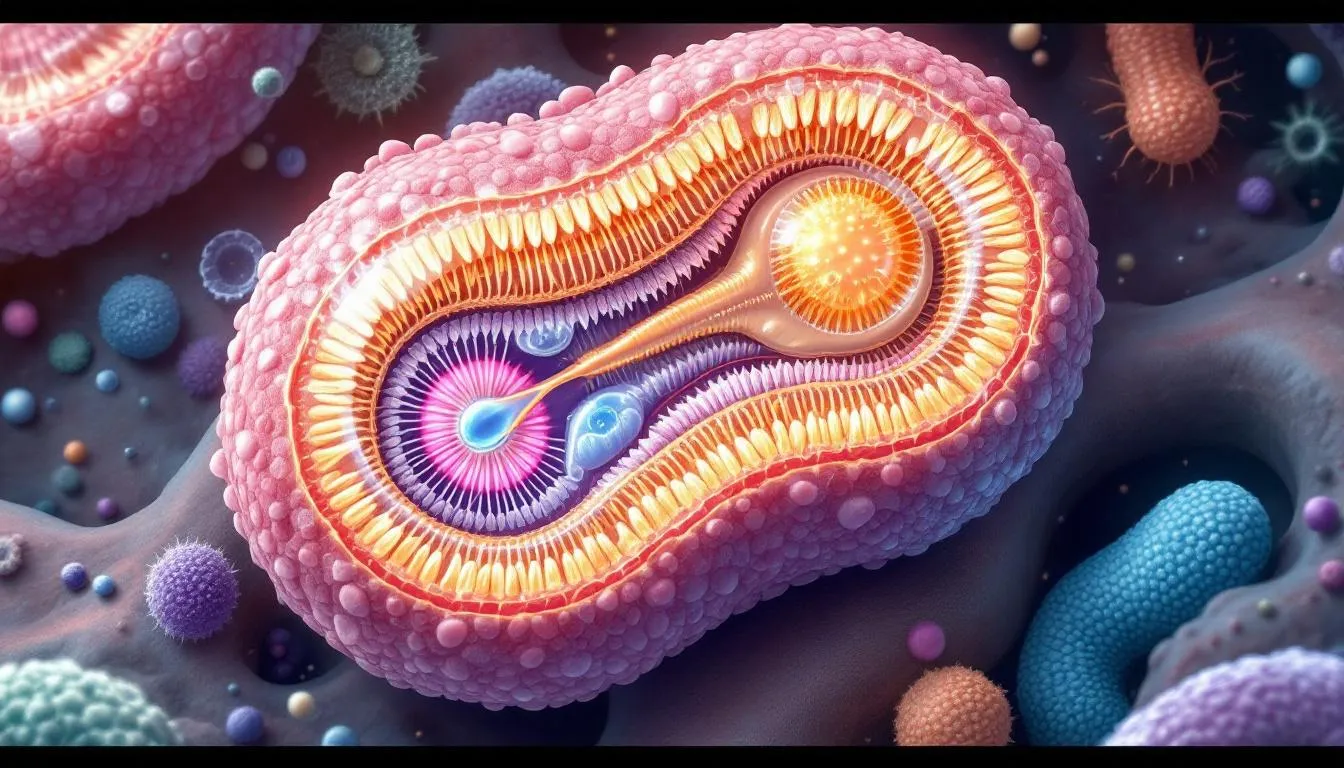

Introduction to Regenerative Medicine
- Regenerative medicine uses stem cell therapy to repair or replace damaged tissues and organs. Additionally, stem cell therapies harness growth factors to promote healing, reduce inflammation, and enable the regenerative potential of stem cells.
- Human stem cells can differentiate into specialized cells and other cells, such as blood cells, bone cells, and brain cells.
- Stem cell infusion is a regenerative medicine technique and a medical treatment involving intravenous administration of stem cells to promote tissue regeneration and reduce inflammation. Consequently, it helps replace damaged tissues with healthy cells.
- Human mesenchymal stem cells and hematopoietic stem cells commonly serve in stem cell therapies.
- Stem cell research has developed promising treatments for various diseases, including chronic pain, autoimmune diseases, neurological disorders, Parkinson’s disease, and Alzheimer’s disease, with the goal of regenerating damaged tissues.
Types of Stem Cell Therapies
Several stem cell therapies exist, including autologous and allogeneic types. Therefore, doctors develop customized treatment plans based on patients’ conditions and health assessments to ensure optimal outcomes. A personalized treatment plan is created to address each patient’s unique needs, emphasizing individualized care for the best possible results.
Autologous therapy uses the patient’s own stem cells, reintroduced into their body. Conversely, allogeneic therapy uses donor stem cells.
Autologous stem cells usually come from bone marrow or adipose (fat) tissue, thereby reducing immune rejection risks.
Umbilical cord-derived stem cell therapy uses stem cells harvested from umbilical cord tissue or cord blood after childbirth.
Stem cell injections and stem cell IV treatments are common therapy types.
Embryonic, adult, and induced pluripotent stem cells appear in regenerative medicine. Human embryonic stem cells come from early-stage embryos and face ethical and regulatory scrutiny.
Mesenchymal and neural stem cells, which differentiate into neural cells, show promise in treating diseases like multiple sclerosis and amyotrophic lateral sclerosis. They play crucial roles in neurological treatments.
Induced pluripotent stem cell (iPSC) therapy reprograms adult cells to a pluripotent state. Moreover, recent advances discovered new stem cells from amniotic fluid and umbilical cord blood, expanding therapy possibilities.
Stem cell therapies aim to regenerate damaged tissues and repair damaged cells to restore function and improve health outcomes.
Types of Stem Cells
Stem cells form the core of regenerative medicine, offering hope for many diseases and injuries. Their unique ability to develop into specialized cells makes them essential in stem cell therapy and other cell-based therapies. Different types serve distinct roles and applications. Understanding these types helps tailor stem cell therapy to treat diseases and promote healing throughout the body.
Recent advances in stem cell research have enabled the use of more stem cells in therapies, which may enhance regenerative outcomes.
Adult Stem Cells
Adult stem cells, or somatic stem cells, reside in mature tissues throughout the body. They maintain and repair damaged tissues by differentiating into specialized cells as needed. Adult stem cells treat autoimmune diseases, chronic pain, and degenerative diseases. Clinicians harvest them from bone marrow, adipose tissue, and peripheral blood.
Hematopoietic stem cells, a well-known adult stem cell type, generate new blood cells and treat blood cancers and other blood disorders. By harnessing adult stem cells’ regenerative properties, medical professionals repair damaged tissues and improve patient outcomes.
Embryonic Stem Cells
Embryonic stem cells derive from early-stage embryos and can become any human body cell. These pluripotent cells develop into blood cells, bone cells, brain cells, heart muscle cells, and more. They offer powerful tools against complex diseases. Embryonic stem cells show promise in treating neurological disorders, heart disease, and autoimmune disorders by replacing or repairing lost or damaged cells. Their versatility makes them valuable in advanced stem cell therapies.
Characteristics of Embryonic Stem Cells
Embryonic stem cells self-renew indefinitely and differentiate into any cell type, enabling treatment of diseases affecting the immune, nervous, and cardiovascular systems. Despite their promise, ethical debates surround their use. Researchers seek alternatives like induced pluripotent stem cells (iPSCs) to provide similar benefits while addressing ethical concerns.
What is Stem Cell Infusion?
Stem cell infusion, or stem cell IV therapy, also known as stem cell IV treatment, is a cutting-edge treatment harnessing the body’s natural healing. This procedure administers stem cells intravenously, allowing them to circulate and reach damaged or diseased tissues, including diseased tissue. Once delivered, stem cells stimulate tissue regeneration, reduce inflammation, and support repair of lost cells.
Stem cell infusion treats autoimmune diseases, degenerative diseases, and injuries unresponsive to traditional treatments. The primary goal is to enhance quality of life by promoting healing and reducing symptoms, improving the health and function of the patient’s body as a whole. Clinical trials show encouraging results, and ongoing research expands therapy applications to treat diseases and improve outcomes. Additionally, stem cells show promise in treating respiratory illnesses by reducing inflammation in the chest.
Types of Cell Infusion
Cell infusion, especially in the context of stem cell therapies, can be tailored to meet the unique needs of each patient and condition. The most common types include autologous stem cell infusion, where stem cells are harvested from the patient’s own body—often from bone marrow or adipose tissue—and then reintroduced to promote healing and reduce the risk of immune rejection. In contrast, allogeneic stem cell infusion uses stem cells from a donor, which can be beneficial for patients whose own cells are unsuitable or unavailable.
Another important distinction is between embryonic stem cell infusion and adult stem cell infusion. Embryonic stem cells, derived from early-stage embryos, have the remarkable ability to become any cell type in the body, while adult stem cells are sourced from mature tissues and are more specialized. Among adult stem cells, human mesenchymal stem cells (hMSCs) and hematopoietic stem cells are frequently used due to their regenerative and immune-modulating properties.
The choice of cell type and infusion method is guided by the specific medical condition being treated. For example, neurological disorders, chronic pain, autoimmune diseases, and heart disease may each require a different approach to cell infusion. By customizing the type of stem cell and the method of delivery, clinicians can maximize the therapeutic benefits for each patient, making cell infusion a versatile and powerful tool in regenerative medicine.
Who is a Good Candidate for Stem Cell Infusion Therapy?
Stem cell infusion therapy offers hope for individuals facing a range of challenging health conditions, particularly when traditional treatments have not provided sufficient relief. Good candidates for stem cell therapy are typically those with degenerative diseases, autoimmune disorders, or injuries that may benefit from the regenerative capabilities of stem cells. Patients with conditions such as multiple sclerosis, amyotrophic lateral sclerosis (ALS), and rheumatoid arthritis often explore stem cell infusion as a promising treatment option.
Additionally, individuals suffering from chronic pain, heart disease, or those recovering from traumatic brain injury may also be considered for cell therapy. The decision to pursue stem cell infusion is highly personalized and depends on the patient’s overall health, the specific type of stem cell therapy being considered, and the nature of the medical condition. Consulting with a qualified healthcare provider is essential to determine eligibility, discuss potential benefits and risks, and develop a customized treatment plan. By carefully evaluating each case, clinicians can help ensure that stem cell infusion therapy is both safe and effective for those who stand to benefit most.

How IV Stem Cell Therapy Works
- IV stem cell therapy infuses stem cells intravenously to promote tissue regeneration and reduce inflammation.
- During therapy, clinicians infuse stem cells into the bloodstream via an intravenous drip.
- Stem cells travel through veins to affected areas and initiate healing.
- The procedure infuses over 300 million stem cells over several hours.
- Patients usually return home the same day after infusion.
- IV stem cell therapy treats chronic pain, autoimmune diseases, and neurological disorders, providing significant pain relief for many patients.
- IV stem cell therapy can also help modulate or support the immune system, aiding in recovery from autoimmune diseases and other conditions.
- Compared to direct cellular delivery, stem cell IV infusion is minimally invasive.
- The treatment is well-tolerated, with minimal side effects and low complication risks.
Administration of Intravenous Infusion
The administration of intravenous (IV) infusion is a cornerstone of modern stem cell therapy, providing a direct and efficient way to deliver stem cells into the patient’s bloodstream. During this procedure, stem cells are carefully prepared and then infused through a vein, usually in the arm, allowing them to circulate throughout the body and target areas of injury or disease. This method is favored for its minimally invasive nature and its ability to distribute stem cells systemically.
The process typically takes place in a clinical setting under the supervision of experienced medical professionals. Before the infusion, patients undergo a thorough medical evaluation to ensure safety and optimize outcomes. The duration of the infusion can vary, ranging from 30 minutes to several hours, depending on the type and quantity of stem cells being administered. After the procedure, patients are closely monitored for any immediate reactions, and follow-up appointments are scheduled to track progress and assess the effectiveness of the cell therapy. This careful approach helps maximize the benefits of stem cell infusion while prioritizing patient safety and comfort.
Potential Risks and Side Effects of Stem Cell Infusions
- Although generally safe, stem cell infusions carry some risks and side effects.
- These include infection, allergic reactions, and tumor formation risks.
- Side effects may include fatigue, headaches, chills, nausea, low-grade fever, dizziness, and injection site pain.
- Pulmonary entrapment during intravenous infusion can limit cells reaching target tissues, which may reduce the therapy’s effectiveness.
- These risks are rare, and benefits often outweigh them.
- Consulting qualified healthcare professionals is essential to discuss risks and benefits.
- Professionals help determine suitability and develop personalized treatment plans.
Cost and Availability of Stem Cell IV Infusion
- Stem cell IV infusion costs vary by stem cell type, treatment number, and treatment center location.
- Clinics and research centers offer stem cell IV infusion, with costs ranging from $5,000 to over $50,000 per treatment.
- Some clinics charge over $50,000, exploiting therapy popularity.
- Some insurance plans cover stem cell therapy; check with providers for coverage.
- Stem cell IV infusion availability is increasing, with more centers and research worldwide.
- Choosing reputable, licensed centers ensures safety and efficacy.
Treatment Procedure and Recovery
- Stem cell IV infusion involves consultation, preparation, and infusion steps.
- Medical staff monitor patients during and after infusion for safety and comfort.
- Recovery is usually quick; most patients return home the same day.
- Patients often experience a short recovery period after stem cell IV therapy, usually around 1-2 hours post-treatment.
- Mild side effects like fatigue or nausea may occur but are short-lived.
- Following post-treatment care recommendations ensures best outcomes and minimizes complications.
Therapeutic Applications of Stem Cell Infusion
Stem cell infusion has opened new frontiers in regenerative medicine, offering innovative solutions for a wide array of medical conditions. By harnessing the unique properties of stem cells, this therapy can repair or replace damaged tissues, reduce inflammation, and stimulate the body’s natural healing processes. Stem cell infusion is being used to address neurological disorders such as Parkinson’s disease, multiple sclerosis, and stroke, as well as to manage chronic pain, heart disease, and autoimmune diseases like lupus and rheumatoid arthritis.
The versatility of stem cells lies in their ability to differentiate into specialized cell types, including blood cells, bone cells, and neural cells, making them invaluable for tissue regeneration and the treatment of blood cancers, amyotrophic lateral sclerosis, and traumatic brain injury. As research advances, the list of conditions that may benefit from stem cell therapy continues to grow, providing hope for patients with previously untreatable diseases. By reducing inflammation and promoting the repair of damaged tissues, stem cell infusion is helping to transform the landscape of modern medicine.
Increasing Stem Cells Naturally
- Exercise, healthy diet, and stress reduction help increase stem cells naturally.
- Adequate sleep, toxin avoidance, and hydration support stem cell health.
- Supplements like antioxidants and omega-3 fatty acids may support stem cell function.
- Consult healthcare professionals before supplements or lifestyle changes.
- Many patients view stem cell IV therapy as a non-invasive alternative to surgery.
- Professionals help determine the best course to support overall health.
- Stem cell therapies can offer non-invasive alternatives for various medical conditions.
Therapeutic Cloning and Its Benefits
- Therapeutic cloning creates stem cells genetically identical to patients.
- This reduces rejection risk and improves therapy effectiveness.
- iPSCs created from patient-specific cells avoid immune rejection issues.
- Therapeutic cloning may revolutionize degenerative disease treatment and outcomes.
- The field is new and experimental; more research is needed to understand benefits and risks.
- Scientists develop new technologies to improve therapeutic cloning’s efficiency and safety.
Stem Cell Research and Development
- Researchers continue developing new treatments and therapies using stem cells.
- The goal is to harness stem cells’ power to repair or replace damaged tissues and organs.
- Studies explore stem cells for heart disease, neurological disorders, autoimmune diseases, Parkinson’s disease, and heart failure.
- Researchers develop technologies to improve therapy efficiency and safety.
- New stem cell therapies may revolutionize degenerative disease treatment and improve outcomes.
FDA Approval and Regulation
- The FDA regulates stem cell therapy; approval is required for new treatments.
- The FDA has approved several therapies, including those for blood disorders and some cancers.
- Most stem cell therapies remain experimental and harder to access in the U.S. due to the limited number of FDA-approved treatments.
- Stem cell IV therapies require more research for long-term safety and effectiveness.
- The FDA develops guidelines to ensure safe, effective stem cell therapy use.
- The agency guides researchers and clinicians on stem cell therapy development and application.
nd clinicians on the development and use of stem cell therapies.
The New Florida Law Regarding Stem Cells:
- The new Florida law regulates the use of stem cell therapies to ensure patient safety and treatment efficacy within the state.
- It establishes guidelines for stem cell clinics, requiring proper licensing and adherence to medical standards for administering stem cell infusion therapy.
- The law addresses the ethical sourcing and handling of stem cells, including restrictions on the use of embryonic stem cells and requirements for informed patient consent.
- It promotes transparency by mandating clinics to disclose treatment risks, benefits, and the experimental nature of certain stem cell therapies.
- The legislation aims to foster responsible stem cell research and innovation while protecting patients from unproven or unsafe treatments.
Preparing Your Body for Optimal Stem Cell Therapy Results
To get the most out of your stem cell infusion therapy, it’s important to prepare your body so the stem cells can work effectively and help you heal. Here are five key steps to support your body and reduce inflammation before and after treatment:
Reduce Inflammatory Issues
Chronic inflammation can hinder the healing process and cause stem cells to lose their effectiveness quickly. Therefore, managing inflammation through a healthy diet, stress reduction, and avoiding inflammatory triggers helps create a welcoming environment for stem cells to thrive.
Prime Your Body for Healing
Supporting your body’s natural healing mechanisms before therapy can make a big difference. Gentle exercise, proper hydration, and quality sleep help your body function at its best, allowing stem cells to do their work more efficiently.
Consider NAD IV Therapy
NAD (nicotinamide adenine dinucleotide) IV therapy boosts cellular energy and supports detoxification. By enhancing your cells’ energy production, NAD therapy can prepare your body to better accept and sustain the benefits of stem cell treatment.
Try Whole Body Near Infrared Light Therapy
This therapy uses gentle light waves to penetrate deep into tissues, promoting circulation and reducing inflammation. Consequently, near infrared light therapy can help create a healthier environment for stem cells to repair and regenerate damaged tissues.
Avoid Treating While Inflamed
Performing stem cell therapy when your body is inflamed is like trying to start a fire in wet wood—the stem cells may “burn out” quickly and not provide the lasting benefits you deserve. Thus, taking the time to calm inflammation beforehand sets the stage for a more successful and lasting treatment outcome.
By following these steps, you give your stem cells the best chance to flourish, helping you feel better and recover faster. Always consult with your healthcare provider to develop a personalized plan that supports your unique needs throughout your stem cell therapy journey.
Global Availability and Accessibility
- Stem cell therapy is available in many countries around the world, including the United States, Europe, and Asia.
- The United States, South Korea, and Israel lead in stem cell research and treatment.
- Additionally, Colombia has become popular for stem cell therapy due to less stringent regulations, promoting innovation.
- However, cost, location, and treatment center availability can limit accessibility.
- Some countries offer more advanced stem cell research and a wider range of treatment options.
- Consequently, global availability and accessibility of stem cell therapy are increasing with more centers and research studies.
- At Lifewell MD, we follow strict protocols and do not provide stem cell therapy upon patient request alone. We carefully evaluate each patient to personalize treatment and ensure it is the right option.
- Therefore, choosing a reputable and licensed treatment center is essential to guarantee safety and efficacy.
Frequently Asked Questions About Stem Cell Infusion Therapy
As stem cell infusion therapy becomes more widely recognized, many patients and families have important questions about what to expect. One common question is which diseases and conditions can be treated with stem cell therapies. Currently, stem cell infusion is being used for a variety of conditions, including degenerative diseases, autoimmune disorders, and certain cancers, with ongoing research expanding its potential applications.
Safety is another frequent concern, with patients asking about the risks of rejection, side effects, and long-term outcomes. While stem cell infusion is generally considered safe when performed by qualified professionals, it’s important to discuss any concerns with your healthcare provider. Many patients also inquire about the cost of stem cell infusion therapy, as well as the logistics of the treatment process and recovery.
Questions about the legality and regulation of stem cell therapies are also common, especially since regulations can vary significantly between countries. Staying informed about the latest research, clinical guidelines, and regulatory updates is crucial for anyone considering stem cell infusion. As the field of regenerative medicine continues to evolve, stem cell infusion therapy is poised to become an increasingly important and promising treatment option for many patients seeking relief from chronic and complex health conditions.
Final Words:
If you’re interested in exploring stem cell infusion therapy to support healing and reduce inflammation, Dr. Kumar at LifeWell MD is ready to assist you. Whether you’re managing chronic pain, autoimmune conditions, or neurological symptoms, our advanced stem cell infusion treatments are designed to promote tissue regeneration and enhance overall health. You may also want to consider other integrative therapies like acupuncture, which can promote balance and support your well-being.
We provide in-office consultations for patients in Palm Beach County and Saint Lucie County, as well as convenient Telemedicine appointments for those who cannot visit in person. Discover our holistic healthcare solutions and learn how stem cell infusion therapy at LifeWell MD can help repair damaged or lost cells and improve your quality of life. Contact our office today at 561-210-9999 to discuss:
- Your health concerns and medical history
- How stem cell infusion therapy may benefit your condition
- Personalized treatment plans tailored to your needs
- What to expect during and after your stem cell infusion therapy sessions
Take the first step toward regenerative healing—I look forward to guiding you on your journey to better health.
Dr. Kumar.
Please check out his 120 five star reviews on Healthgrades and his 136 five star reviews at WebMD.
